



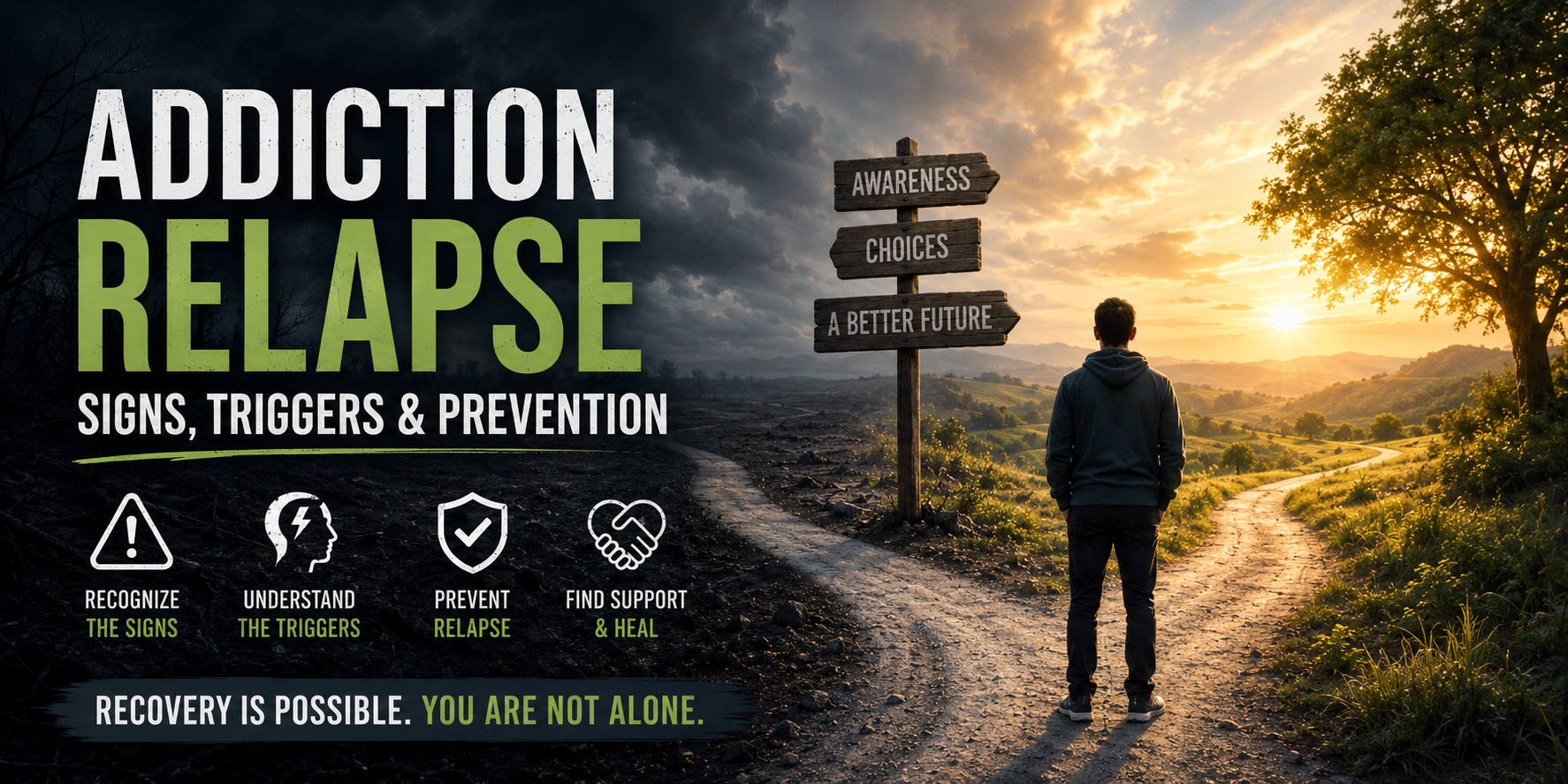


Warning Signs, Triggers, Prevention and What to Do Next
An addiction relapse can begin long before someone takes a drink, swallows a pill, or uses a drug. Changes in sleep, mood, thinking, relationships, cravings, and recovery routines may appear days or even weeks before substance use occurs.
That is why understanding relapse matters.
A person may begin isolating. They stop going to treatment. Stress builds. Sleep falls apart. Old memories of substance use start feeling more positive. Then the thought appears:
“Maybe I can handle it this time.”
Recognizing that progression can create opportunities to intervene before substance use happens.
Relapse should always be taken seriously. With opioids and fentanyl, a return to use after reduced tolerance can cause a fatal overdose. Heavy alcohol or benzodiazepine use can also create dangerous withdrawal if someone suddenly stops again.
But relapse does not erase every day of recovery, and it does not automatically mean addiction treatment failed. It means something needs attention.
Treatment may need to change.
Recovery support may need to increase.
Triggers may need to be addressed.
Family boundaries may need to become clearer.
This guide explains relapse warning signs, addiction relapse triggers, relapse prevention, overdose risks, family intervention, and what to do after a relapse. It also connects you with more detailed guides for different substances, situations, and stages of recovery.
What Is Addiction Relapse?
Addiction relapse is a return to alcohol or drug use after a period of stopping or significantly reducing substance use.
A return to use can look very different from one person to another.
Someone may use once and immediately reach out for help. Another person may return to daily substance use for weeks or months.
This is why understanding the difference between a lapse and relapse can be useful. A lapse often refers to a brief episode of use, while relapse generally describes a more sustained return to an unhealthy pattern.
The label matters less than what happens next.
Someone who thinks, “I already ruined my recovery, so I might as well keep using,” can quickly turn one episode into something much more dangerous.
If substance use has already happened, our guide to the first 72 hours after a relapse explains how to respond during this critical period.
It is also important to understand that relapse does not necessarily mean someone is incapable of recovery. If you are questioning whether the return to use proves rehab was unsuccessful, read Does Relapse Mean Addiction Treatment Failed?.
For some people, relapse means outpatient support needs to increase. For others, it may mean reconsidering residential care. Should You Go Back to Rehab After a Relapse? explores when returning to a higher level of treatment may make sense.
Stages, Warning Signs and Triggers of Relapse
Relapse is often easier to understand when viewed as a process instead of one sudden decision.
One commonly used model describes three stages of relapse: emotional, mental and physical.
Emotional relapse may begin before the person is consciously thinking about alcohol or drugs. They may become isolated, exhausted, angry, defensive, overwhelmed, or disconnected from recovery.
Our deeper guide to emotional relapse explains why poor self-care and emotional withdrawal can become early warning signs.
Mental relapse begins when thoughts about substance use return. Someone may romanticize past drug use, minimize the consequences, contact old friends, revisit high-risk places, or start believing they could control one drink or one dose.
Physical relapse happens when alcohol or drugs are actually used.
The earlier this progression is recognized, the more opportunities there are to interrupt it. Families and people in recovery should learn the 15 relapse warning signs you should never ignore.
Triggers are equally important. There is rarely just one reason someone returns to substance use. Our guide to the most common addiction relapse triggers covers many of the situations that can weaken recovery.
Stress is one of the biggest. Work problems, financial pressure, parenting responsibilities, health concerns, and major life changes can slowly overwhelm coping skills. Learn more about why stress can become a relapse trigger.
But stress is only one emotional risk.
Boredom in recovery can make the intensity of past substance use seem attractive again. Loneliness and isolation can remove the relationships that help people recognize trouble early.
Even sleep matters. Persistent insomnia and exhaustion can make cravings and emotional problems harder to manage. Our guide asks an important question: Can lack of sleep trigger an addiction relapse?
People may also experience relapse dreams that leave them shaken or confused. Dreams about drugs do not mean relapse is inevitable, but they can provide an opportunity to check in with recovery.
Cravings themselves may return unexpectedly. Someone can be sober for a long time and suddenly experience a powerful urge after seeing a familiar person, hearing a song, experiencing stress, or returning to a meaningful place. Learn why cravings can return after years of sobriety.
Grief can also destabilize recovery. Death, divorce, lost relationships, and other major losses may bring back the desire to numb emotional pain. Grief and addiction relapse explores how families and people in recovery can respond.
Relationship conflict deserves similar attention. Breakups, betrayal, rejection, and ongoing arguments can become powerful emotional triggers. Read more about relationship problems and relapse.
Another risk is shame. After a mistake, someone may think they have already destroyed recovery and continue using because they feel hopeless. Understanding the shame-relapse cycle can help prevent one difficult moment from becoming a prolonged return to addiction.
Surprisingly, feeling too good can also create problems. During the so-called “pink cloud” of recovery, someone may become so confident that they stop treatment, ignore triggers, or believe addiction is permanently behind them.
Physical discomfort after detox can create another challenge. Post-Acute Withdrawal Syndrome and relapse risk examines prolonged problems such as poor sleep, anxiety, low mood, fatigue, and difficulty experiencing pleasure.
Finally, recovery can become vulnerable when someone simply replaces one substance with another. Cross-addiction explains why changing the drug does not necessarily change the addictive pattern.
How to Prevent Relapse and Build Long-Term Recovery
Effective relapse prevention is not simply about telling yourself:
“I will never use again.”
It means creating systems that make it easier to recognize danger and respond before a crisis develops.
Our guide to 12 relapse-prevention strategies that actually help covers practical ways to strengthen recovery.
One of the most important tools is a written plan. A good relapse-prevention plan identifies personal warning signs, triggers, high-risk situations, supportive people, treatment contacts, and specific steps to take when cravings increase.
For example, “I will try harder” is not a plan.
“If I start thinking about using, I will leave the situation, call my sponsor, contact my counselor, and spend the evening with a sober family member” is a plan.
Long-term recovery also requires continued support. Treatment does not necessarily end when detox or residential rehab ends. Aftercare and relapse prevention can include counseling, medication management, recovery housing, peer support, meetings, psychiatric care, family involvement, and continuing treatment.
Recovery should also be adjusted as life changes.
Someone who was stable with monthly appointments may temporarily need weekly sessions.
Someone experiencing repeated relapse may need intensive outpatient or residential treatment.
Someone struggling with cravings or withdrawal may need medication.
Someone facing depression, anxiety, trauma, or another mental health condition may need those conditions treated alongside the addiction.
The goal is not to create one recovery plan and follow it forever.
The goal is to create a system that can change when risk changes.
Substance-Specific Relapse Risks
Not all relapses carry the same risks. The substance involved matters.
Alcohol relapse can begin long before the first drink. Someone may isolate, stop attending treatment, romanticize drinking, or begin testing whether they can safely be around alcohol again. Our complete guide to alcohol relapse warning signs and what to do explains the process in greater detail.
If you drank after a period of sobriety and are terrified that everything was lost, read I Drank After Being Sober: Did I Lose All My Progress?
It is also useful to understand why alcohol relapse can start before the first drink and how to stop a drinking slip from becoming a full relapse.
Opioid and fentanyl relapse can be immediately life-threatening because tolerance may fall during abstinence. Learn why opioid relapse can cause a fatal overdose.
Fentanyl relapse deserves particular caution because even one return to use can become fatal. The same reduced-tolerance problem makes heroin relapse after detox especially dangerous.
Families should know what to do when someone relapses on opioids, and anyone at risk should understand why carrying naloxone during recovery can save a life.
Medication may also reduce risk. Buprenorphine can help prevent opioid relapse for many people with opioid use disorder.
Stimulant relapse presents different dangers. Meth relapse may involve intense cravings, sleeplessness, paranoia, or a rapid return to compulsive use. If use has already happened, read what to do after a meth relapse.
Cocaine cravings can return months later, even when someone believed the addiction was behind them. And because the illicit drug supply may contain unexpected substances, it is important to understand whether you can overdose during a cocaine relapse.
Other substances create their own relapse challenges.
Returning to benzodiazepines can create both intoxication and withdrawal risks. Read our guides to benzo relapse, Xanax relapse, Klonopin relapse, and Ativan relapse.
Families should also be aware of prescription drug relapse warning signs.
Other guides examine marijuana relapse, kratom relapse and opioid-like withdrawal, ecstasy relapse, ketamine relapse, and whippets or nitrous oxide relapse.
The larger lesson is simple:
A substance does not have to be someone’s original “drug of choice” to threaten recovery.
What Families Should Know About Relapse and Intervention
Addiction affects the entire family.
Loved ones often notice changes before the person in recovery is ready to admit something is wrong.
If you are unsure what you are seeing, start with how to tell if a loved one has relapsed.
Once relapse is known, communication matters. Learn what to say to someone who relapsed and equally importantly, what not to say after relapse.
Support should not become enabling. Supporting recovery without enabling substance use explains the difference between helping someone access treatment and repeatedly protecting addiction from consequences.
Families also face difficult relationship decisions. Should you give someone another chance after a relapse? explores forgiveness, boundaries, accountability, and rebuilding trust.
Sometimes ordinary conversations are no longer enough.
If substance use continues, treatment is repeatedly refused, or safety is deteriorating, families may begin considering an intervention. Our guide explains when a family should consider an intervention and how to make the conversation about treatment rather than humiliation.
Families sometimes ask whether they can simply force someone back into care. Can you make someone go back to rehab? discusses treatment options, boundaries, emergency situations, and the limits families may face with an adult who refuses help.
When addiction affects parents, protecting children becomes the priority. How to protect children when a parent relapses covers safety, stable routines, age-appropriate communication, and keeping children out of adult addiction crises.
Relapse inside a marriage creates a different set of challenges. What to do if your spouse relapses addresses trust, finances, boundaries, treatment, intervention, and protecting the household.
Families should also prepare before an emergency occurs. Creating an emergency relapse plan can help everyone know who to call, where naloxone is kept, who will care for children, what treatment options exist, and when an intervention should be considered.
What to Do After an Addiction Relapse
If a relapse has already happened, focus first on safety.
Do not let someone drive while intoxicated.
If opioids may be involved, have naloxone available.
Call 911 if the person cannot be awakened, is not breathing normally, turns blue or gray, experiences a seizure, has severe chest pain, becomes dangerously confused, or shows other signs of a medical emergency.
Heavy alcohol or benzodiazepine use requires additional caution. Suddenly stopping alcohol or benzodiazepines such as Xanax, Ativan, Klonopin, or Valium can cause dangerous withdrawal in people who have developed physical dependence.
After immediate safety is addressed, tell someone what happened.
Secrecy allows relapse to grow.
Contact a treatment provider and explain what was used, approximately how much was used, how long substance use has been happening, and whether other drugs were involved.
Then look backward.
What changed before the relapse?
Did sleep deteriorate?
Did treatment stop?
Did loneliness increase?
Did a relationship end?
Did cravings return?
Did someone begin thinking they were cured?
Was there a major stressor?
Were medications stopped?
Did the person begin spending time with old substance-using friends?
The answer should lead to a more specific plan.
Not:
“I’ll do better.”
But:
“I will contact treatment today, remove alcohol from the house, attend three recovery meetings this week, give my extra cash to someone I trust, and call my recovery support every evening.”
Relapse prevention becomes stronger when lessons are turned into actions.
Most importantly, do not let shame convince you that recovery is over.
A relapse can be dangerous. It deserves immediate attention.
But someone can return to treatment.
A family can change its response.
A prevention plan can become stronger.
Medication can be started or adjusted when appropriate.
Boundaries can improve.
Triggers can be identified.
Recovery can continue.
The most useful question after addiction relapse is not:
“Why did you ruin everything?”
It is:
“What happened, what needs to change, and what is the safest next step?”
That next step may be a phone call.
Treatment.
Naloxone.
A recovery meeting.
A return to rehab.
An intervention.
Or simply telling another person the truth before one bad decision becomes a much larger crisis.
Relapse does not have to become the end of recovery. It can become the moment the recovery plan gets stronger.


