



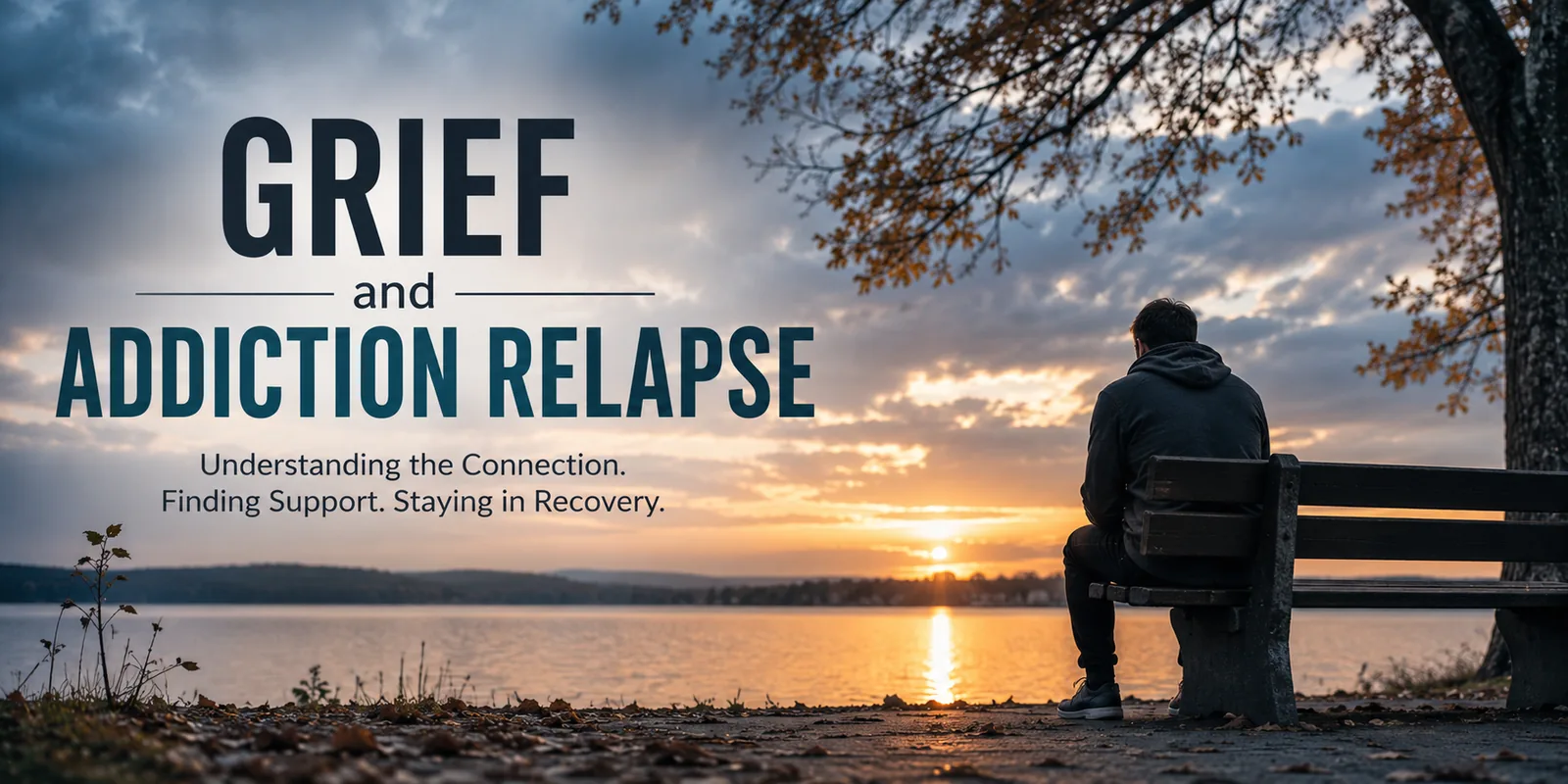


Grief can be one of the most powerful addiction relapse triggers because loss can create emotions that feel impossible to carry. The death of a loved one, the end of a relationship, the loss of a job, a serious diagnosis, or even a major life change can leave someone feeling empty, angry, confused, or completely overwhelmed.
For a person in recovery, those feelings can bring back an old memory:
“I know something that would make this hurt less.”
That does not mean relapse is inevitable.
It means grief deserves to be taken seriously as part of addiction recovery.
Substances may once have been used to numb pain, quiet anxiety, escape memories, or simply get through the day. When a major loss happens, the urge to return to that old coping strategy can come back quickly.
Why Grief Can Trigger Addiction Relapse
Grief affects much more than emotions.
It can disrupt sleep.
Appetite may change.
Concentration becomes difficult.
Someone may stop exercising.
Work becomes harder.
Recovery meetings get skipped.
Phone calls go unanswered.
The normal structure that helped maintain sobriety can slowly disappear.
At the same time, grief can create powerful emotional pain.
Someone may feel:
- Sadness
- Anger
- Guilt
- Loneliness
- Fear
- Regret
- Anxiety
- Numbness
- Confusion
- Exhaustion
There is no single correct way to grieve.
Some people cry constantly.
Others feel almost nothing at first.
Some become angry.
Others become extremely busy because sitting still means confronting the loss.
For someone with a history of addiction, the danger may come when alcohol or drugs begin looking like the fastest way to escape those feelings.
Grief Can Bring Back Old Coping Habits
Many people used substances for reasons beyond simply wanting to get high.
Alcohol may have helped someone stop thinking.
Benzodiazepines may have reduced anxiety.
Opioids may have created a temporary feeling of comfort.
Marijuana may have helped someone disconnect.
Stimulants may have allowed someone to push through exhaustion.
During grief, those old associations can become very strong.
Someone who has not seriously thought about drinking in years may suddenly think:
“I just want one night where I do not have to feel this.”
That thought deserves attention.
The problem is not weakness.
The problem is that the brain remembers what once produced fast relief.
Unfortunately, the relief is usually temporary.
When the substance wears off, the grief is still there—and now the person may also be dealing with guilt, withdrawal, consequences, or a return to addiction.
Anniversaries and Reminders Can Trigger Cravings
Grief does not always follow a straight line.
Someone may feel stable for months and then suddenly struggle.
Birthdays.
Holidays.
Anniversaries.
Songs.
Photographs.
A familiar restaurant.
An empty chair at the dinner table.
These reminders can bring the loss back with surprising intensity.
That can also bring cravings back.
A person may wonder:
“Why am I struggling again? I thought I was doing better.”
Grief can return in waves.
A difficult day does not mean you have lost your recovery progress.
It simply means something painful was triggered.
Recognizing these dates and reminders ahead of time can help.
If the anniversary of a loved one’s death is approaching, plan support before the day arrives.
Do not wait until the craving is already strong.
Isolation Can Make Grief More Dangerous
People often pull away when they are grieving.
They may not want to talk.
They may feel that nobody understands.
They may get tired of hearing:
“How are you doing?”
So they stop answering.
That isolation can create additional relapse risk.
When nobody knows how you are doing, nobody knows when cravings begin.
Someone may secretly start thinking about drinking or using while continuing to tell everyone:
“I’m okay.”
You do not need to talk about the loss every hour.
But staying connected matters.
Call someone.
Sit with family.
Attend a recovery meeting.
Talk to a grief counselor.
Tell your sponsor or treatment provider what is happening.
Even saying:
“I don’t want to talk much, but I don’t think I should be alone tonight,”
can protect your recovery.
Do Not Use Substances to “Take the Edge Off”
One of the most dangerous thoughts during grief is:
“I am not trying to get high. I just need something to calm down.”
Someone recovering from alcohol addiction may decide one drink is understandable.
Someone with a history of benzodiazepine misuse may take Xanax or Ativan for sleep.
Someone recovering from opioids may use pain pills because emotional distress feels physically painful.
The intention may be relief rather than intoxication.
But addiction does not always care about the intention.
Once the substance returns, cravings, tolerance, secrecy, and old habits can return with it.
If anxiety or insomnia becomes severe during grief, talk with a healthcare professional instead of self-medicating.
What to Do When Grief Starts Threatening Recovery
First, tell someone what is happening.
Do not wait until you have already used.
Say:
“I am grieving, and I am starting to think about drinking again.”
That is exactly the kind of warning sign recovery support is meant for.
Then protect the basics.
Try to:
- Eat regular meals
- Maintain a sleep routine
- Attend treatment or meetings
- Spend time with supportive people
- Get outside
- Exercise when you can
- Avoid people and places connected with past substance use
- Limit unnecessary stress
- Talk about the loss when you are ready
Grief counseling or therapy can also help someone process the loss without returning to substances.
Some people benefit from grief support groups, especially because they can talk with others who understand the strange mixture of sadness, anger, guilt, and loneliness that loss can create.
Grief Does Not Have to End Recovery
There is no way to remove grief entirely.
If you loved someone deeply, losing them hurts.
Recovery does not require pretending otherwise.
The goal is not to stop feeling.
The goal is to learn how to survive painful feelings without destroying yourself trying to escape them.
If you do relapse during grief, do not allow shame to turn one episode into a longer return to addiction.
Tell someone.
Get safe.
Reconnect with treatment.
Look at what happened.
Strengthen your support.
Grief can make recovery feel much harder, but using drugs or alcohol does not remove the loss. It only adds another problem to the pain you are already carrying.
You are allowed to grieve.
You are allowed to struggle.
And you are allowed to ask for more help while you do it.


