



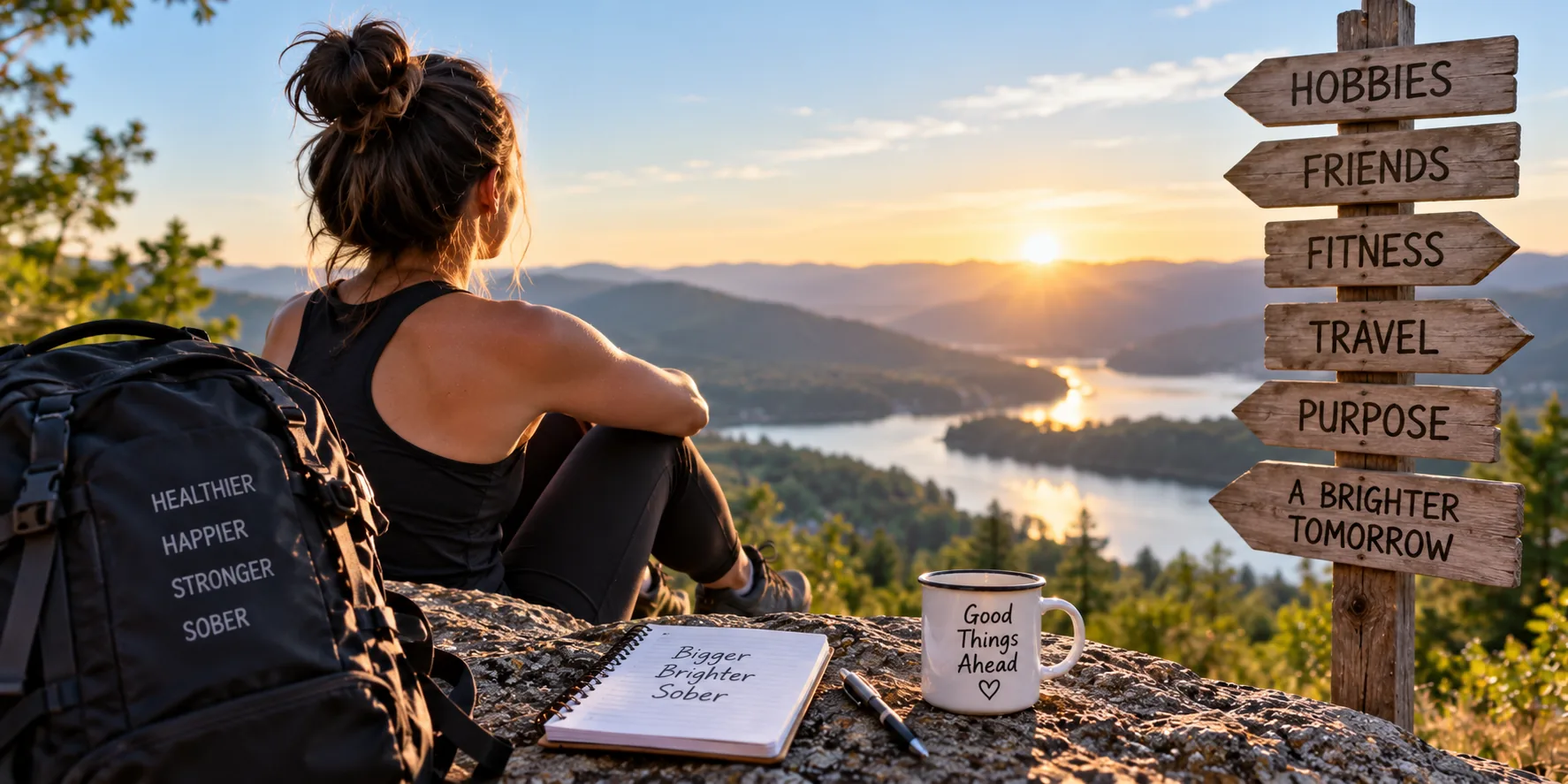


Figuring out what to do with your free time in recovery can be harder than many people expect. Addiction can consume enormous parts of your day. Finding drugs or alcohol, using them, recovering from them, hiding your use, and thinking about when you can use again can become a full-time routine.
Then you get sober.
Suddenly, there are evenings, weekends, and entire days that feel strangely empty.
That free time can become one of recovery’s greatest opportunities—but it can also become a challenge if boredom, isolation, or cravings begin taking over.
Understanding the stages of addiction recovery and what to expect can help put this transition into perspective. Recovery is not only about stopping substance use. Over time, it becomes about creating routines, relationships, interests, and goals that make sober life worth protecting.
Why Free Time Can Feel Uncomfortable After Addiction
Addiction creates routines, even when those routines are destructive.
You may have known exactly what Friday night involved.
Drink.
Use.
Party.
Recover.
Repeat.
Once that cycle disappears, the absence of activity can feel uncomfortable.
Your brain may also still associate substances with excitement and reward. Learning about the addicted brain and how it changes during recovery can help explain why normal activities sometimes seem less interesting during early sobriety.
You might think:
“Nothing sounds fun.”
Or:
“I have no idea what normal people do all weekend.”
That does not mean sober life will always feel this way.
It means you have space to build something new.
Develop Hobbies That Give You Something to Look Forward To
Hobbies are one of the best ways to fill free time because they give you more than entertainment.
They can provide challenge, accomplishment, social connection, and something to look forward to.
Consider:
- Hiking
- Fishing
- Cooking
- Photography
- Gardening
- Painting
- Woodworking
- Gaming
- Reading
- Playing music
- Camping
- Cycling
- Fitness
- Sports
- Volunteering
- Learning a language
If nothing immediately interests you, explore the best hobbies for people in addiction recovery and experiment.
You do not need to find your life’s passion this weekend.
Try something once.
Then try something else.
Recovery gives you permission to discover what you actually like.
Learn How to Handle Boredom Without Using
Boredom itself is not a failure.
The problem begins when boredom turns into thoughts like:
“Getting high would make today more interesting.”
Or:
“One drink would make this night better.”
Learning how to deal with boredom without getting high can help you prepare before those thoughts become stronger cravings.
Create a short list of activities you can do when boredom hits.
Go for a walk.
Call someone.
Clean your house.
Exercise.
Cook dinner.
Visit somewhere new.
Attend a meeting.
Work on a project.
Watch a movie.
Get outside.
You can also learn how to have fun without drugs or alcohol so your free time becomes something you enjoy rather than simply endure.
Planning ahead matters.
It is much easier to choose a healthy activity when you already know what your options are.
Spend More Time Around Other People
Free time can become isolation if you spend too much of it alone.
Recovery does not mean you must become incredibly social. But healthy connection can make life feel much fuller.
Invite someone to lunch.
Go hiking.
Join a gym.
Volunteer.
Take a class.
Attend community events.
Join a sports league.
If your old friendships revolved mostly around substance use, learning how to make friends when you’re sober may become an important part of rebuilding your social life.
Healthy friends give you people to call, laugh with, make plans with, and rely on during difficult moments.
Over time, social connection can also help you learn to enjoy life without drugs or alcohol.
You are not simply filling hours.
You are creating memories that do not require intoxication.
Use Some of Your Free Time to Build Your Future
Not every free hour needs to be productive.
You are allowed to relax.
But recovery also gives you an opportunity to invest time in things addiction may have pushed aside.
You might return to school.
Improve your career.
Repair your finances.
Exercise.
Learn a skill.
Work on relationships.
Start a business.
Improve your home.
Volunteer.
Learning how to set goals after getting sober can turn empty time into forward movement.
Small routines matter too. Building healthy habits during addiction recovery can create structure around sleep, exercise, meals, responsibilities, and recreation.
Eventually, those goals may become connected to something deeper.
You may begin finding purpose after getting sober.
Your time starts becoming valuable again because your future starts feeling valuable again.
Build a Life You Want to Spend Your Time Living
Recovery is about much more than creating a busy schedule.
Filling every minute so you never think about drugs is not the goal.
The goal is to build a life that feels meaningful even when nothing dramatic is happening.
Part of starting over and rebuilding your life after addiction is discovering what deserves your time now.
You may even find yourself asking, “Who am I without drugs or alcohol?”
That question gets answered slowly.
You answer it through what you do.
How you spend your mornings.
Who you spend time with.
What you learn.
What you build.
Who you help.
What you care about.
As you move through the sobriety timeline and long-term recovery, your interests and routines may continue changing. What feels awkward during early sobriety can eventually become ordinary life.
You may even reach a point where you wonder whether you can ever feel normal again after addiction—and then realize you already do.
If too much free time begins leading to strong cravings, isolation, romanticizing substance use, or thoughts about using again, take those feelings seriously. They can be signs that you need more structure or support and may increase your risk of addiction relapse.
What you do with your free time in recovery matters, but you do not need to transform every hour into something extraordinary. Start small. Find hobbies. Make plans. Build friendships. Rest. Set goals. Explore what interests you. Recovery gives you something addiction repeatedly takes away: time. The question now is not simply how to fill it—it is what kind of life you want to build with it.


