



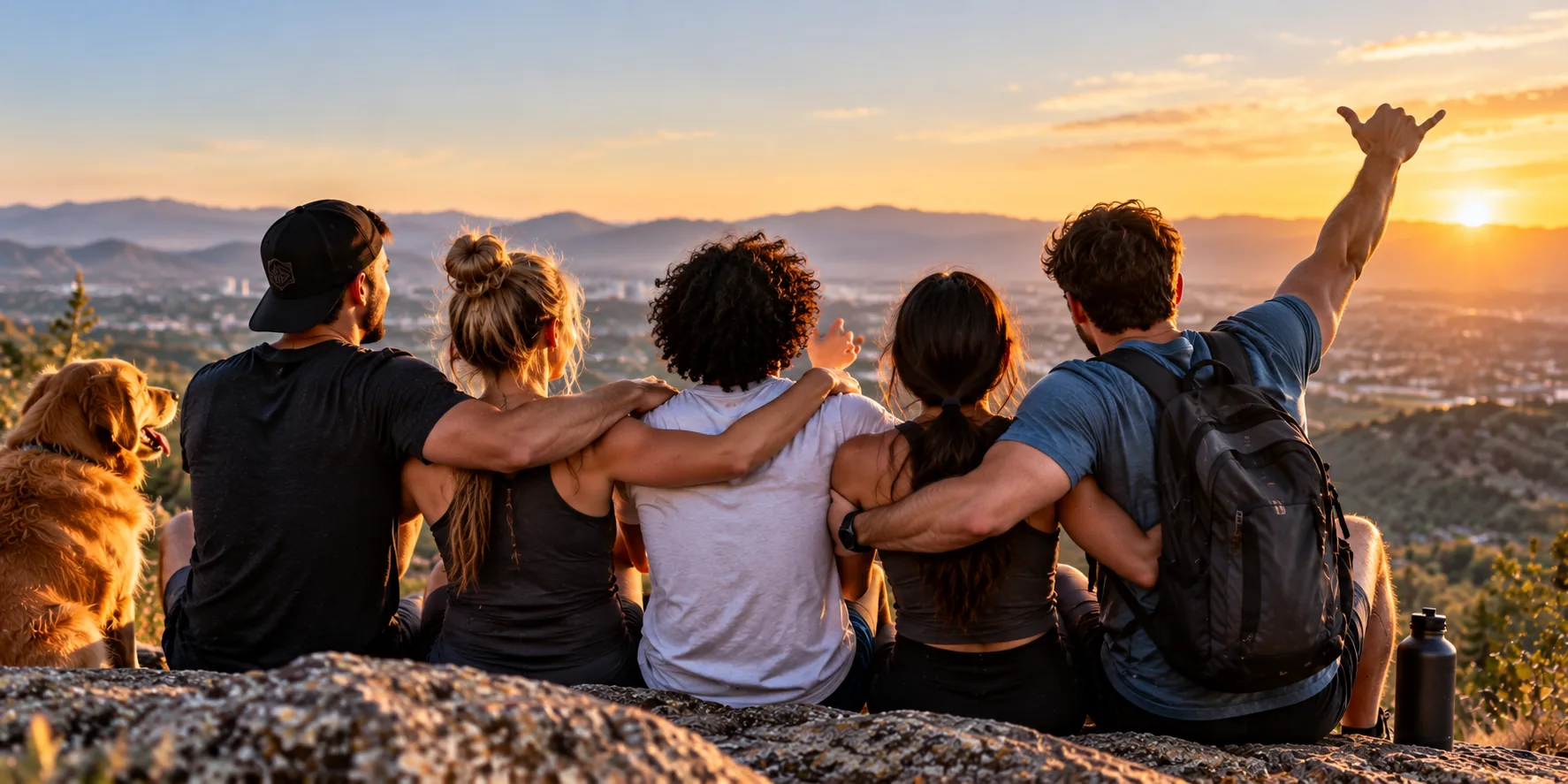


Learning how to make friends when you’re sober can be one of the hardest—and most important—parts of addiction recovery. You may stop drinking or using drugs and suddenly realize that many of your friendships were built around bars, parties, getting high, or recovering from the night before.
Now what?
You may feel lonely even when you know sobriety is the right decision. You might wonder whether you will ever have a normal social life again.
You can.
Understanding the stages of addiction recovery can help explain why relationships often change during recovery. Early sobriety may require stepping away from people and places connected to substance use. Later, recovery becomes increasingly about building a healthy life—including friendships that support the person you are becoming.
Making sober friends may take effort, but you do not have to spend the rest of your life alone.
Why Friendships Often Change After Getting Sober
Addiction can shape your social world.
You may have spent years around people who drank or used drugs because substances were the activity everyone shared.
When you stop, some relationships change immediately.
Certain friends may support you.
Others may stop calling.
Some may pressure you to drink.
And sometimes you discover that you and another person have very little in common without substances.
That can hurt.
It can also be part of starting over after addiction and rebuilding your life.
You do not have to hate your old friends or judge people who still drink. But you may need boundaries around relationships that make sobriety harder.
Recovery sometimes creates empty spaces before it fills them with something healthier.
Where Can You Meet Sober Friends?
You do not necessarily need to find people who identify as being in recovery.
You need people whose lives are compatible with yours.
Start going places where conversation and shared activities happen naturally.
Consider:
- Recovery meetings
- Fitness classes
- Gyms
- Hiking groups
- Sports leagues
- Volunteer organizations
- Community events
- Religious or spiritual groups
- Art or cooking classes
- Book clubs
- Professional organizations
- College courses
- Outdoor clubs
- Sober social events
Activities give people something to talk about without forcing an immediate friendship.
If you are unsure where to start, explore some of the best hobbies for people in addiction recovery. A hobby can give you enjoyment while repeatedly putting you around people who share your interests.
Friendships often develop through repetition.
You see someone once.
Then again.
Eventually, you start talking.
Learn How to Socialize Without Alcohol or Drugs
For some people, substances became a shortcut around social anxiety.
Alcohol made conversation easier.
Drugs created instant connection.
Parties gave everyone an automatic reason to gather.
Being social without that shortcut may feel uncomfortable at first.
Practice.
Invite someone for coffee.
Ask a coworker to lunch.
Go hiking with someone.
Attend a small gathering.
Watch a game together.
You can also explore how to have fun without drugs or alcohol so socializing stops feeling like something that requires intoxication.
You do not have to become the most outgoing person in the room.
Good friendships are built through consistency, honesty, shared experiences, and trust.
And if ordinary activities still feel flat, remember that learning to enjoy life without drugs or alcohol is itself part of recovery.
Be Willing to Feel Awkward
Making friends as an adult can be awkward whether you are sober or not.
Someone has to make the first move.
That might be you.
Say:
“Want to grab coffee sometime?”
“Are you coming back next week?”
“Want to go hiking Saturday?”
Simple invitations can become real friendships.
You may get turned down occasionally.
Do not automatically interpret rejection as something being wrong with you.
People are busy. They have families, jobs, relationships, and existing responsibilities.
Recovery can already leave you questioning your identity. If you are asking “Who am I without drugs or alcohol?”, social situations can feel especially vulnerable.
Give yourself time.
You are learning who you are while other people are learning who you are too.
Choose Friends Who Support the Life You Want
Not every friendship is good for recovery.
Pay attention to how people affect you.
Healthy friends do not constantly pressure you to drink.
They respect boundaries.
They do not mock your recovery.
They want you to succeed.
They are capable of having fun without getting destroyed every weekend.
Healthy friendships can also help you build better habits in addiction recovery. Friends can become workout partners, hiking partners, people you call when life gets difficult, or people who encourage your goals.
As recovery grows, your social life can become connected to finding purpose after getting sober rather than simply finding ways to pass the time.
Who you spend time with matters.
Choose people who fit the future you are building.
You Do Not Have to Be Lonely in Recovery
Loneliness can become dangerous when it turns into isolation.
Too much time alone can create boredom, negative thinking, or memories of the social excitement connected with drinking and drugs.
If that happens, learn how to deal with boredom without getting high and find healthy ways to structure your free time during addiction recovery.
Reach out even when you do not feel like it.
Show up.
Send the text.
Attend the meeting.
Take the class.
Accept the invitation.
Building friendships can take months, not days.
The larger sobriety timeline is not only about how your brain and body change. Your relationships, interests, confidence, and social world can change too.
There may come a time when you look around at the people in your life and realize something surprising:
You are having fun.
Nobody is using.
Nobody is drunk.
And you do not miss it.
If isolation, social pressure, or reconnecting with old substance-using friends begins making you seriously consider using again, recognize it as a possible relapse warning sign and reach out for additional support.
Learning how to make friends when you’re sober is not about replacing every old friend overnight. It is about slowly building relationships that fit the life you want now. Keep showing up, try new things, talk to people, and give friendships time to develop. Recovery can change your social circle, but it can also give you the chance to build deeper relationships based on who you really are—not what you were drinking or using together.


