



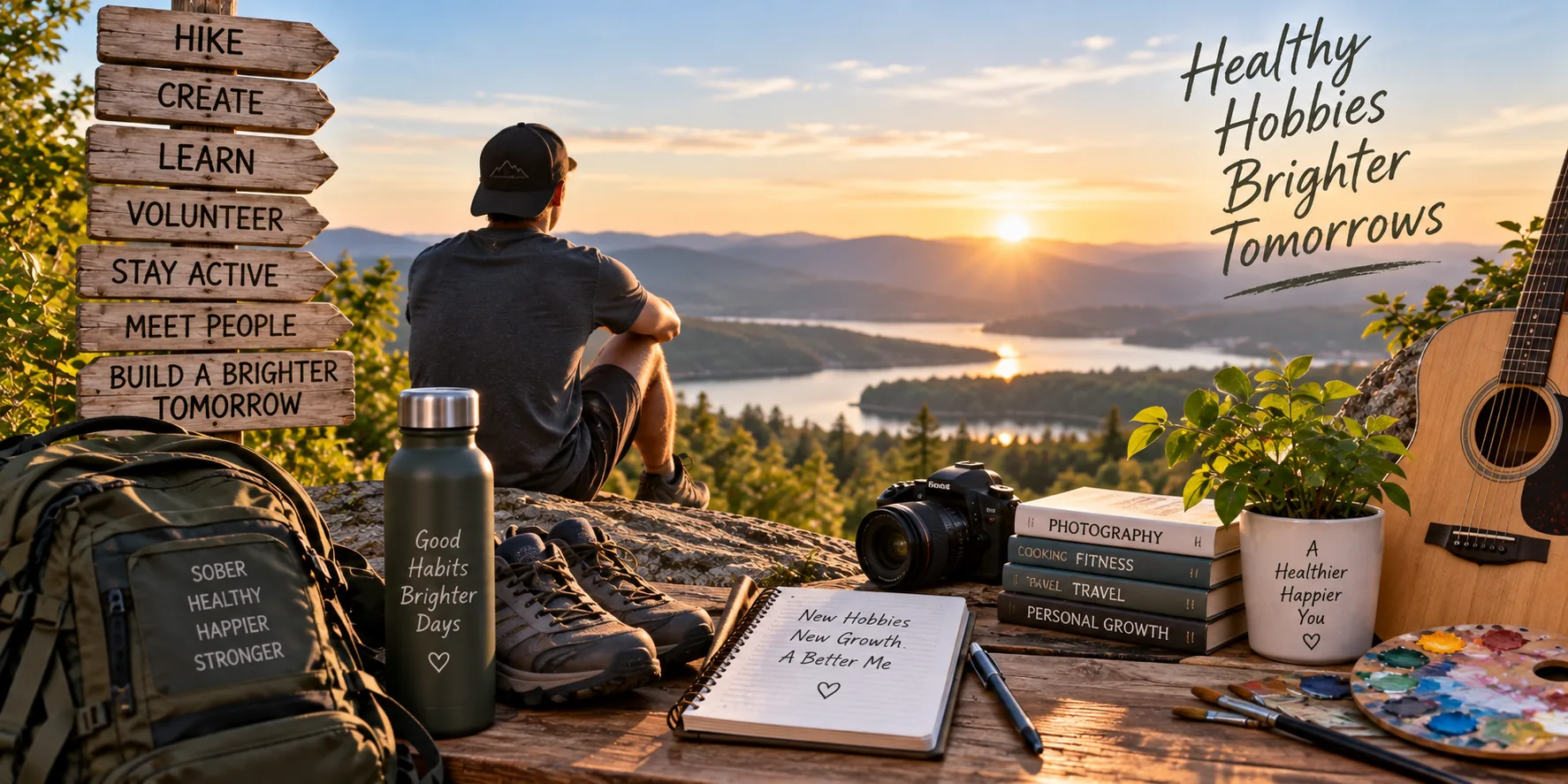


Finding the best hobbies for people in addiction recovery can do much more than fill an empty afternoon. A good hobby can give you something to look forward to, introduce you to healthier people, reduce boredom, build confidence, and help you discover who you are without drugs or alcohol.
This matters because addiction can take over nearly every part of life. Drinking or using may have become the main way you relaxed, celebrated, socialized, escaped stress, or dealt with boredom. Once substance use stops, all that time has to go somewhere.
Understanding the stages of addiction recovery and what to expect can help explain why interests and routines often change throughout sobriety. Early recovery may focus on stability and getting through each day. As recovery continues, hobbies can become part of building a healthier, more satisfying life.
You do not need to discover your life’s passion immediately. Start by trying things.
Why Hobbies Are Important in Addiction Recovery
Hobbies create structure.
Instead of staring at an empty Saturday wondering what to do, you may have a hike planned, a project to finish, a game to play, or a class to attend.
That matters when you are learning what to do with your free time in recovery.
Hobbies can also provide healthy sources of reward. Addiction can strongly connect drugs or alcohol with pleasure, excitement, and relief. Learning about how the addicted brain changes during recovery can help explain why normal activities may initially feel less exciting.
Do not give up because a hobby does not feel amazing the first time.
Interest can grow.
So can your ability to enjoy ordinary experiences again.
Active and Outdoor Hobbies for Recovery
Physical activities can provide structure while getting you out of the house.
Some options include:
- Hiking
- Walking
- Running
- Cycling
- Swimming
- Weightlifting
- Yoga
- Golf
- Fishing
- Camping
- Rock climbing
- Pickleball
- Basketball
- Martial arts
- Recreational sports
You do not need to become an athlete.
A morning walk can be a hobby if you enjoy exploring different neighborhoods, parks, or trails.
Outdoor hobbies are particularly useful when boredom or isolation makes being home alone uncomfortable. They can become part of building healthy habits in addiction recovery while giving you healthier ways to manage stress.
If you have medical problems or have been inactive for a long time, start gradually and talk with a healthcare professional before beginning strenuous exercise.
Creative Hobbies That Help You Build Something
Creative hobbies can be especially rewarding because they produce something you can see, hear, or share.
Try:
- Drawing
- Painting
- Photography
- Writing
- Journaling
- Woodworking
- Pottery
- Cooking
- Baking
- Gardening
- Playing an instrument
- Music production
- Sewing
- Graphic design
- Home improvement
At first, you may think:
“I’m terrible at this.”
Good.
Being bad at something new means you are learning.
Recovery involves rebuilding confidence through experiences that have nothing to do with substances.
Creative hobbies can also help when you are trying to understand who you are without drugs or alcohol.
Your identity can become bigger than your addiction history.
You become a photographer.
A cook.
A musician.
A gardener.
A person building something.
Social Hobbies Can Help You Make New Friends
Some of the best recovery hobbies involve other people.
Consider:
- Recreational sports leagues
- Fitness classes
- Hiking clubs
- Book clubs
- Community theater
- Volunteer organizations
- Cooking classes
- Gaming groups
- Faith communities
- Car clubs
- Art classes
- Community events
These activities create repeated opportunities to see the same people.
That makes conversation easier.
If your old social circle revolved around alcohol or drugs, learning how to make friends when you’re sober can be an important part of creating a new lifestyle.
Shared interests give friendships something to grow around besides intoxication.
Eventually, you may discover that having fun without drugs or alcohol feels more natural when you are surrounded by people who enjoy doing things rather than simply getting high or drunk together.
Choose Hobbies That Give You Goals and Purpose
Some hobbies naturally give you something to work toward.
Run your first 5K.
Learn five songs on guitar.
Grow a vegetable garden.
Finish ten books.
Restore an old car.
Learn Spanish.
Cook twenty new meals.
Take better photographs.
Goals create progress.
Learning how to set goals after getting sober can make a hobby even more rewarding because you can see yourself improving over time.
Sometimes a hobby becomes something bigger.
Volunteering becomes service.
Exercise becomes a community.
Photography becomes a side business.
Cooking becomes something you share with your children.
That is one way people begin finding purpose after getting sober.
Purpose does not always arrive as one giant realization.
Sometimes it begins with something you tried because you had nothing else to do on Tuesday night.
Your New Life Is Built From What You Do Repeatedly
Hobbies are not a cure for addiction, and staying busy alone is not a recovery plan.
But meaningful activities can become important pieces of the life you are building.
If you frequently feel restless or tempted to use simply because there is nothing happening, learning how to deal with boredom without getting high can help you recognize when unstructured time is becoming risky.
Recovery may also require starting over after addiction and rebuilding your life in areas far beyond hobbies. Relationships, work, health, finances, identity, and trust may all need attention.
Give yourself time.
Your interests may change as you move through the sobriety timeline and long-term recovery.
Something may feel boring at 30 days sober and become one of your favorite activities later.
If boredom, isolation, or free time begins leading to strong cravings or serious thoughts about using again, treat that as a potential relapse warning sign and reach out for support.
The best hobbies for people in addiction recovery are not necessarily the most exciting or impressive ones. They are activities that help you stay engaged with life. Try things. Learn something. Get outside. Create. Move your body. Meet people. Build skills. Over time, hobbies can become more than ways to stay busy—they can help you learn to enjoy life without drugs or alcohol and discover how much life still has to offer.


