



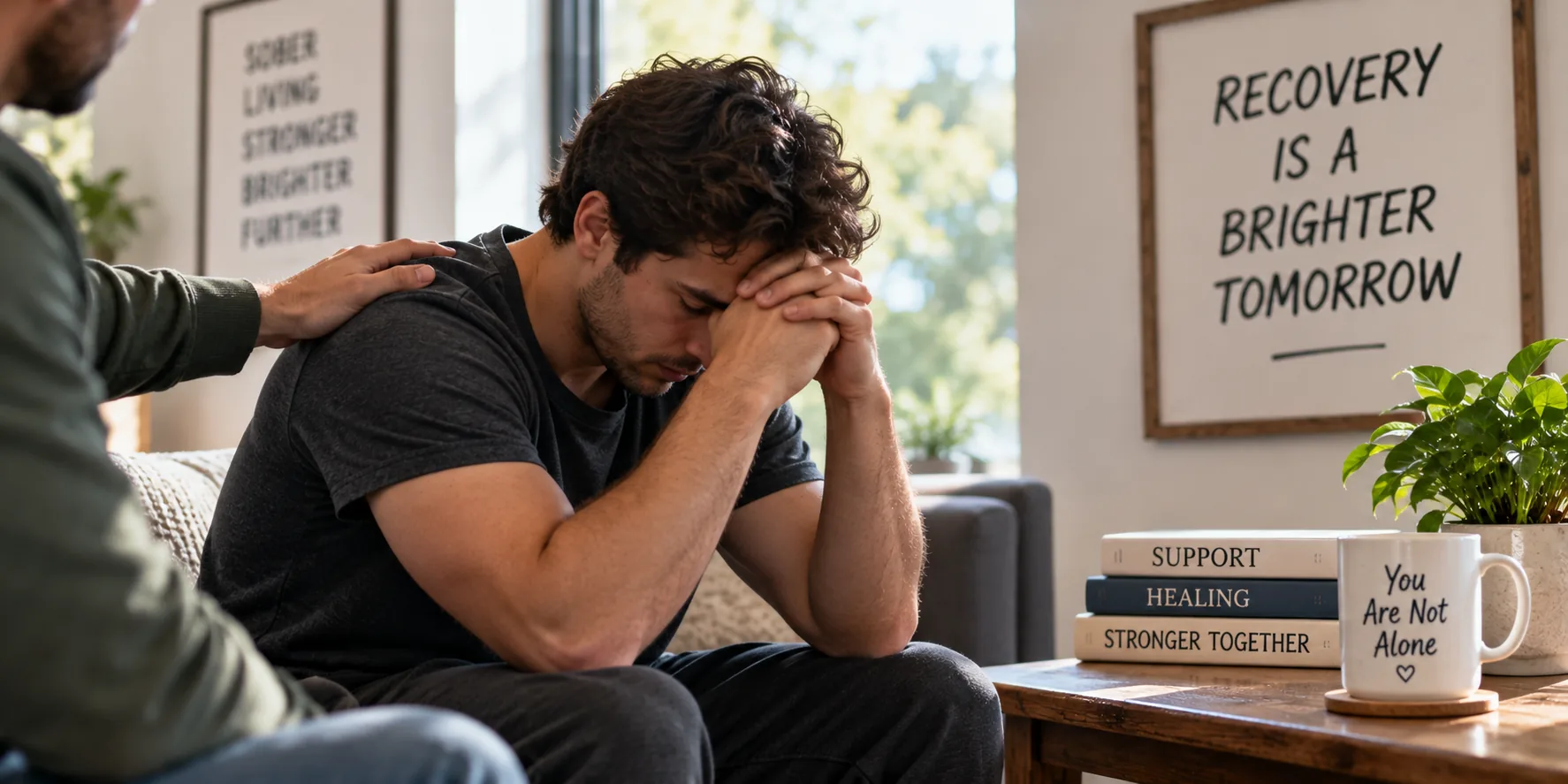


What happens if you relapse in sober living? The answer depends on the sober living home, its rules, the circumstances of the relapse, and whether you need a higher level of care. Some homes may require a resident to leave after using drugs or alcohol. Others may require an assessment, increased recovery support, detox, or a return to treatment.
One thing is important to understand: relapse should be taken seriously, but it does not mean your entire recovery has been erased.
If you are living in a sober living and recovery environment, the purpose of the home is to protect a substance-free community. That means the residence must consider both your needs and the safety of everyone else living there.
The best time to understand the relapse policy is before you move in—not after something happens.
Can You Be Kicked Out of Sober Living for Relapsing?
Yes, it is possible.
Many sober living homes prohibit alcohol and non-approved drug use as a central condition of residency. A positive test or confirmed substance use may result in discharge.
However, policies vary significantly.
One home may require immediate departure.
Another may allow a resident to remain if they agree to additional treatment or certain conditions.
A different residence may require someone to temporarily enter detox or residential treatment before returning.
This is why you should review the rules in a sober living home before moving in.
Ask specifically:
- What happens after a positive drug test?
- Does one relapse mean automatic discharge?
- Can residents return after treatment?
- What happens to prepaid rent?
- Is transportation to treatment available?
- Who helps decide the next level of care?
Do not rely on assumptions or what another sober house did.
Know the rules where you actually live.
Why Sober Homes Take Relapse Seriously
A sober living home is a shared recovery environment.
Your choices can affect other residents.
Imagine someone brings alcohol into a home where another resident is fighting intense alcohol cravings.
Or someone brings crack cocaine into a house where another person is recovering from crack addiction and compulsive cocaine use.
That can put more than one person’s recovery at risk.
Sober homes therefore tend to treat substance use seriously because maintaining a safe environment is part of their purpose.
Understanding how sober living works can help make these policies easier to understand.
Drug testing, curfews, house meetings, and other forms of accountability are usually intended to protect the recovery environment.
They are not supposed to be about shame.
A person who relapses may need more help.
At the same time, the other residents deserve a home where they are not regularly exposed to active substance use.
Both needs matter.
What Should You Do Immediately After a Relapse?
Do not hide it and hope nobody finds out.
Secrecy can allow a brief return to substance use to grow into something much more serious.
Tell someone.
That might be:
A house manager.
Your counselor.
Your treatment provider.
A sponsor.
A trusted family member.
Another recovery support person.
Be truthful about what happened.
What did you use?
How much?
How long has the return to use been happening?
Are you still using?
Do you feel physically or mentally unsafe?
You may need medical care, detox, outpatient treatment, residential treatment, or another type of support depending on the situation.
If you are in immediate danger, experiencing a medical emergency, or believe an overdose may have occurred, call 911.
Relapse is not the time to disappear.
It is the time to increase support.
The larger addiction relapse process can sometimes begin before a person physically uses a substance. Emotional changes, isolation, cravings, secrecy, and abandoning recovery routines can all signal that something is going wrong.
Recognizing those changes sooner may prevent a crisis.
Does Relapse Mean You Need to Go Back to Rehab?
Not automatically.
But sometimes returning to treatment is the safest next step.
A single episode does not tell the entire story.
Ask what was happening before the relapse.
Were you experiencing strong cravings for weeks?
Had you stopped attending treatment?
Were you repeatedly breaking house rules?
Were you contacting people you previously used with?
Did one use quickly turn into several days of substance use?
Are you able to stop again?
Someone who needs more intensive help may benefit from returning to treatment rather than trying to force themselves through the situation with less support.
Understanding sober living versus rehab can help clarify the difference.
Sober living provides a recovery-focused home.
Rehab provides treatment.
If sober living is no longer enough, increasing the level of care is not a defeat.
It is responding to what your recovery needs now.
How Can You Reduce the Risk of Another Relapse?
Once the immediate crisis is addressed, look at what happened without turning the experience into an excuse for self-hatred.
Relapse often contains information.
Maybe you became isolated.
Maybe work stress became overwhelming.
Maybe you stopped sleeping.
Maybe you returned to a relationship centered around substance use.
Maybe you stopped doing the things that had been keeping you stable.
Ask yourself:
What changed before I used?
Then strengthen the weak areas.
That might mean attending more meetings.
Returning to counseling.
Changing jobs.
Blocking certain contacts.
Following the house routine more closely.
Increasing treatment.
Spending less time alone.
Rebuilding daily structure.
Your long-term addiction recovery is bigger than one day or one mistake.
But continuing the same conditions that led to relapse without changing anything can make another return to substance use more likely.
Use the experience to adjust the plan.
Choosing a Sober Home With a Clear Relapse Policy
A good sober living residence should not make you guess what happens after substance use.
Before moving in, ask to see the policy.
Learning how to find a good sober living home can help you evaluate whether a residence offers meaningful accountability and clear expectations.
You should also recognize sober living red flags you should never ignore.
Be cautious if management cannot explain:
Testing policies.
Relapse procedures.
House rules.
Medication policies.
Fees.
Discharge procedures.
How residents are connected with treatment when they need additional help.
The strongest sober living environment is not necessarily the one with the harshest punishment.
It is one that maintains clear boundaries while taking recovery seriously.
So, what happens if you relapse in sober living?
You may face consequences.
You may need to leave the residence.
You may need additional treatment.
But relapse does not have to become a return to months or years of active substance use and addiction.
Tell someone quickly.
Be honest about what happened.
Accept the level of support you need.
Learn from what led up to the relapse.
Then begin rebuilding.
Recovery is not protected by pretending difficult moments never happened.
It is protected by responding to them before they become even bigger ones.


