



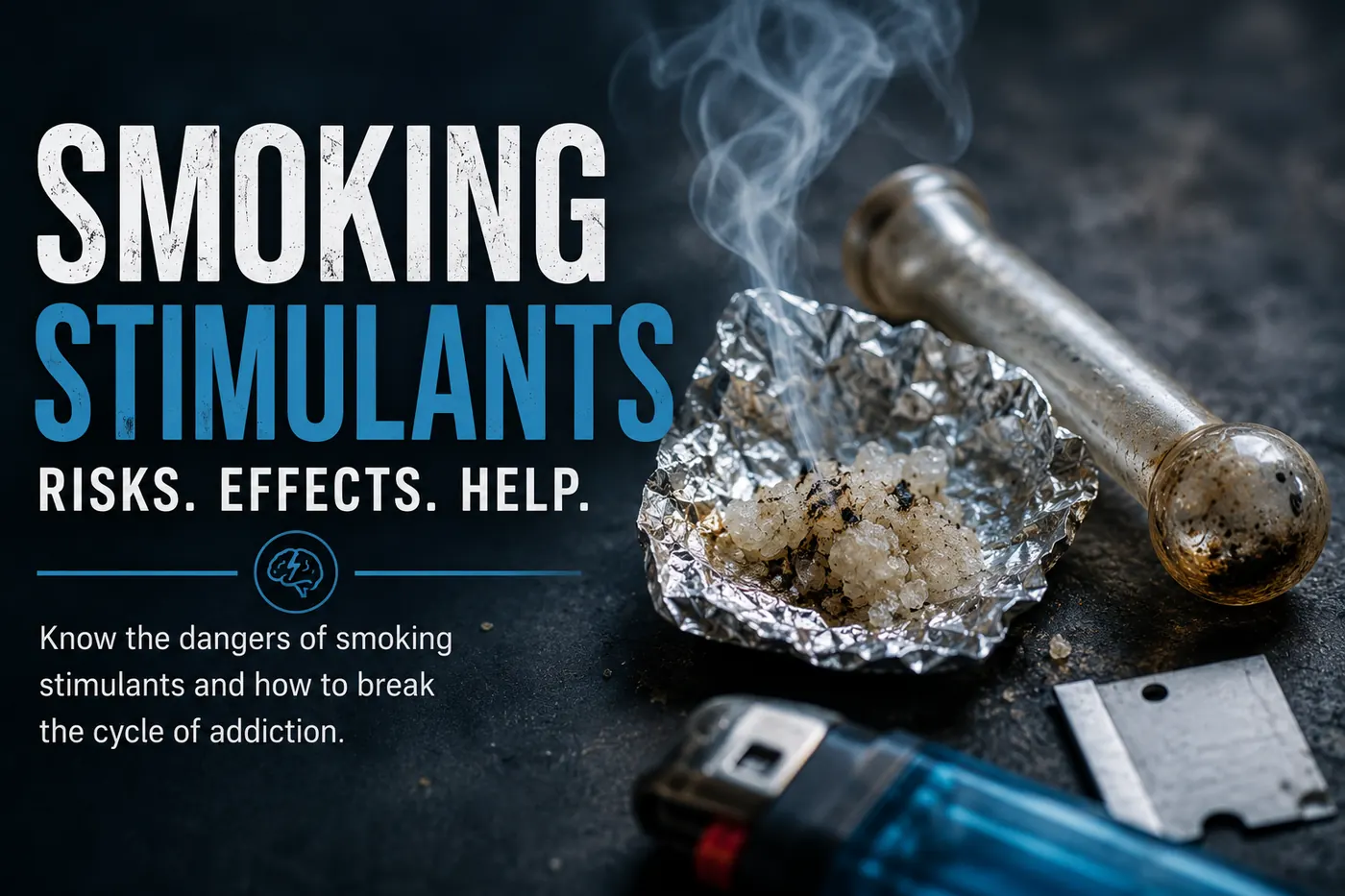


Smoking stimulants can send drugs like methamphetamine or crack cocaine into the brain fast. That is one of the biggest dangers of smoking stimulants. The faster a drug reaches the brain, the stronger the rush can feel, and the faster addiction can take hold. What starts as “just one hit” can turn into panic, paranoia, chest pain, lung damage, overdose, and a cycle that feels impossible to stop.
This is not just a risky way to use drugs. It can become life-threatening. In 2024, about 9 million people age 12 or older in the United States misused central nervous system stimulants. About 4.3 million had a central nervous system stimulant use disorder. That same year, 28,722 overdose deaths involved psychostimulants with abuse potential, and 21,945 involved cocaine.
Navigating This Guide
This hub page serves as the entry point for deeper exploration. Use the links below to dive into specific areas of stimulant addiction:
As Johann Hari said, “The opposite of addiction isn’t sobriety; it is connection.” If smoking stimulants has become part of your life or your loved one’s life, connection and treatment can be the way back.
Why Smoking Stimulants Is So Dangerous
When a person smokes a stimulant, the drug can reach the bloodstream quickly through the lungs. From there, it can reach the brain fast. This can create an intense but short-lived high. Because the high may fade quickly, the person may want to use again and again.
That repeat use can lead to a binge pattern. Someone may smoke stimulants for hours or days, stop eating, stop sleeping, and become more anxious or paranoid. They may keep chasing the first rush, even when the drug is no longer making them feel good.
Smoking stimulants can also make it easier to lose control of how much is being used. The person may take another hit before thinking about it. Cravings can become intense. The brain begins to connect smoking with fast relief, energy, confidence, or escape.
Methamphetamine and crack cocaine are two common stimulants that may be smoked. Both can affect dopamine, a brain chemical tied to reward and motivation. This dopamine surge helps explain why stimulant addiction can develop so quickly and feel so hard to break.
How People Smoke Stimulants
Some people smoke stimulants because the drug can reach the brain very quickly through the lungs. This fast route can create an intense rush, but it can also make cravings stronger and increase the risk of repeated use. Methamphetamine and crack cocaine are two stimulants that are commonly smoked. Some people may also misuse prescription stimulants in dangerous ways, though these medications are meant to be taken only as prescribed.
Smoking stimulants may involve pipes, heated surfaces, or other makeshift methods. Some people refer to this as smoking off foil, which is especially dangerous because it can expose the person to burns, toxic fumes, lung irritation, and unpredictable drug strength. Because the effects can come on fast and fade quickly, a person may keep using again and again, increasing the risk of overdose, paranoia, panic, and heart problems.
This method of use can also be a warning sign that stimulant use has become more serious. Loved ones may notice burned items, unusual smells, coughing, sleeplessness, weight loss, anxiety, secrecy, or long periods of staying awake. No matter how stimulants are used, smoking them can quickly damage the body and brain. If someone is smoking stimulants, it may be time to seek help before the next health scare, overdose, or crisis happens.
Short-Term Effects of Smoking Stimulants
The short-term effects of smoking stimulants can show up within minutes. A person may feel awake, alert, talkative, excited, confident, or restless. They may have less appetite and feel like they do not need sleep.
But the same effects that seem powerful can turn dangerous. Smoking stimulants may cause:
- Fast heartbeat
- High blood pressure
- Chest pain
- Sweating
- Shaking
- Dry mouth
- Dilated pupils
- Jaw clenching
- Anxiety
- Panic
- Anger or aggression
- Paranoia
- Hallucinations
- Trouble sleeping
- Poor judgment
The crash can be severe. When the drug wears off, the person may feel exhausted, depressed, irritable, hungry, and emotionally empty. This crash can push them to smoke again just to feel normal.
High doses, repeated use, dehydration, lack of sleep, and mixing substances can raise the risk of overdose. Call 911 if someone has chest pain, trouble breathing, seizures, overheating, extreme confusion, loss of consciousness, severe paranoia, or violent behavior.
Lung, Heart, and Brain Risks
Smoking any drug can irritate and damage the lungs. With stimulants, the risk does not stop there. Smoking stimulants can place major stress on the heart, blood vessels, and brain.
Stimulants can raise heart rate and blood pressure. Over time, or during heavy use, this can increase the risk of irregular heartbeat, heart attack, stroke, seizure, and sudden death. Cocaine can be especially hard on the heart and blood vessels. Methamphetamine can cause serious brain and body changes with repeated use.
Lung risks may include coughing, breathing problems, chest tightness, and irritation from smoke or chemicals. People who smoke stimulants may also burn their lips, mouth, throat, or fingers. Sharing pipes or other items can increase the risk of infections.
The brain is also affected. Stimulants can flood the reward system with dopamine. Over time, normal life may feel dull without the drug. A person may lose interest in food, sleep, hobbies, family, work, or school. Cravings can become stronger than logic.
This is why addiction is not just “bad choices.” The brain becomes trained to chase the drug, even when the person knows it is hurting them.
Signs Someone Needs Help
Someone who is smoking stimulants may try to hide it. Loved ones may notice physical, emotional, and behavior changes first.
Warning signs may include staying awake for long periods, rapid weight loss, mood swings, anxiety, paranoia, secrecy, missing work, money problems, burned fingers or lips, unexplained pipes or residue, and repeated crashes. The person may disappear, lie, become defensive, or promise to stop but keep using.
They may also start using stimulants to handle daily life. They may believe they need the drug to wake up, work, talk to people, or avoid feeling depressed. This is a serious warning sign.
Treatment can help. A person may need detox support, residential care, outpatient treatment, therapy, mental health care, peer support, and relapse prevention. Some people also need help for ADHD, trauma, anxiety, depression, or sleep problems.
Loved ones can help by speaking with calm concern. Try saying, “I love you. I’m scared about what this is doing to your health. I want to help you get support today.”
Smoking stimulants can make someone feel trapped, ashamed, and alone. But addiction is treatable. The brain and body can begin to heal. Families can rebuild trust. Life can get better. The most important step is reaching out before the next crash, overdose, or crisis happens.


