



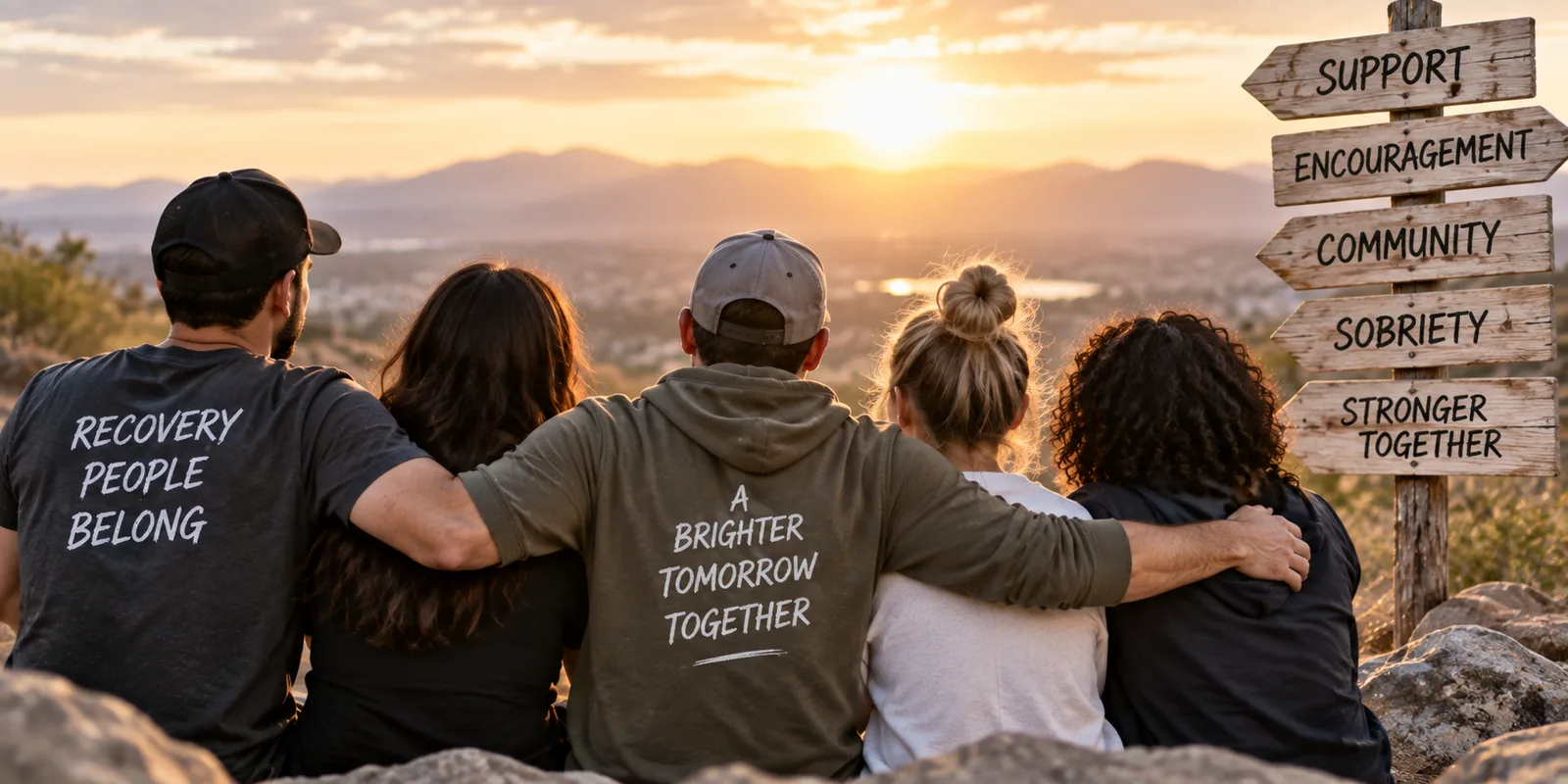


Learning how to build a sober support network can be one of the most important parts of long-term recovery. Getting sober may begin with treatment, detox, or a personal decision to change, but staying sober often becomes easier when you are surrounded by people who understand what you are trying to accomplish.
Addiction can shrink your world. Friendships may revolve around drinking or drugs. Family relationships may become strained. Isolation may begin to feel normal. Recovery often requires rebuilding those connections in a healthier way.
A strong support network does not mean having dozens of friends. It means having several trustworthy people and resources you can turn to when life becomes difficult.
That support may include recovery meetings, family members, sober friends, sponsors, recovery coaches, peer specialists, treatment professionals, or people you meet through sober living and recovery housing.
The goal is simple: do not make yourself face recovery alone.
Start With People Who Support Your Sobriety
Not everyone from your old life will belong in your new one.
That can be painful to accept.
Someone may genuinely care about you but still drink heavily around you. Another friend may continue using drugs and insist that you can spend time together without participating. Others may mock your recovery or pressure you to return to old behaviors.
A sober support network should include people who respect your decision to recover.
Start by identifying the people you already know who want to see you healthy.
That could include:
- A supportive parent or sibling
- A sober friend
- A spouse or partner
- A counselor
- A treatment professional
- Someone you met in rehab
- A recovery group member
- A peer recovery specialist
You do not need every person to understand addiction perfectly. They do need to respect your boundaries and support your recovery.
As you continue through addiction recovery, your network can grow.
Use Recovery Meetings to Build Connection
Recovery meetings can introduce you to people who understand addiction firsthand.
For someone struggling with alcohol, Alcoholics Anonymous may provide regular meetings and a community centered around sobriety.
People recovering from drug addiction may connect with Narcotics Anonymous.
Other people prefer SMART Recovery, which uses a different approach focused on motivation, coping skills, thoughts, behaviors, and maintaining balance.
If you are not sure where you belong, learning how to find the right recovery meeting can help you compare different programs and group environments.
Do not give up after one meeting.
Groups can have dramatically different personalities. Try several before deciding whether a particular recovery community works for you.
If transportation, work, anxiety, or location creates problems, online recovery meetings can also help you stay connected.
Consider a Sponsor, Coach, or Peer Specialist
Your recovery network can include people with different roles.
A sponsor is typically another member of a 12-Step fellowship who helps guide someone through the Steps. If you choose that approach, learning how to find a sponsor in addiction recovery can help you identify someone whose recovery you respect.
A recovery coach provides a different kind of support.
The distinction between a recovery coach and a sponsor often comes down to purpose and structure. A sponsor generally focuses on shared recovery experience and the Steps, while a coach may help with goals, accountability, routines, and practical challenges.
You may also work with a peer recovery specialist, who can use lived recovery experience to provide encouragement, resources, and connection.
These relationships do not have to compete.
Someone may have a sponsor, therapist, recovery coach, and sober friends at the same time.
The stronger your network becomes, the less pressure there is on one person to meet every need.
Find a Recovery Community That Fits Your Beliefs
Support works best when you feel comfortable enough to participate honestly.
Some people feel strongly connected to the traditional 12-step recovery approach.
Others prefer a secular program.
If spiritual language makes you uncomfortable, there are secular alternatives to AA and other ways to recover without following the traditional Steps.
People who specifically want Christianity incorporated into recovery may find community through Celebrate Recovery and Christian addiction support.
There is no requirement that your recovery look exactly like someone else’s.
The important thing is finding people who encourage healthy decisions and help you stay connected.
Build Relationships Before You Are in Crisis
One of the worst times to discover that you have nobody to call is during an intense craving.
Build relationships before the difficult day arrives.
Save phone numbers.
Talk with people after meetings.
Check in with sober friends.
Call your sponsor even when everything is going well.
Participate in recovery activities instead of only appearing when you are struggling.
Healthy relationships are built over time.
It may also help to identify several specific people you can contact when things become difficult. One person may not answer immediately. Having multiple healthy connections gives you options.
Your support network can also help you recognize changes you may not notice yourself.
Someone who knows you well may notice that you have stopped attending meetings, become isolated, started talking about old using friends, or abandoned routines that helped you stay stable.
That outside perspective can be extremely valuable.
Your Sober Support Network Can Grow With You
Learning how to build a sober support network is not about collecting phone numbers.
It is about building relationships that make recovery stronger.
Start with one person.
Attend a meeting.
Introduce yourself.
Ask for a phone number.
Talk to a peer specialist.
Find a sponsor if that fits your recovery.
Reconnect with family members who support your sobriety.
Then continue building.
Your recovery needs may change over time, and your support network may change with them. Some relationships will become stronger. Others may naturally fade.
That is okay.
What matters is that you continue surrounding yourself with people who respect your recovery and remind you that asking for help is a strength.
Addiction often grows in isolation.
Recovery grows through connection.


