



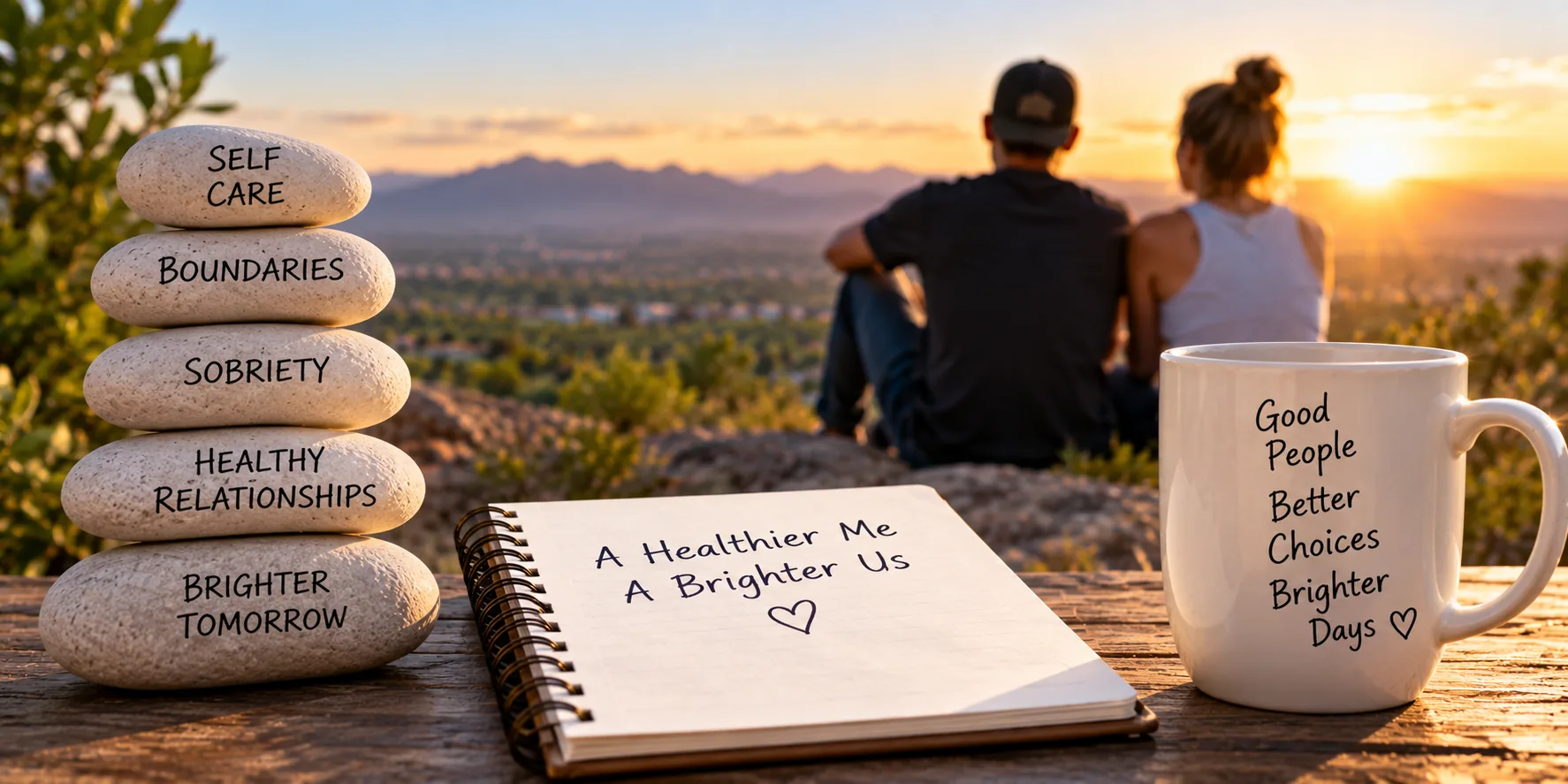


Dating in early recovery can feel exciting, hopeful, and terrifying at the same time. After months or years of addiction, meeting someone new may feel like proof that life is finally moving forward. But new relationships can also bring intense emotions, rejection, conflict, sexual intimacy, and stress at a time when sobriety may still feel fragile.
So, how soon is too soon to date after getting sober?
There is no medical rule saying every person must wait exactly one year. However, many recovery communities encourage people to focus on themselves during early sobriety before beginning a serious romantic relationship. The right timing depends on your stability, support system, reasons for dating, and ability to handle difficult emotions without returning to drugs or alcohol.
Understanding the broader addiction recovery process can help. Getting sober is only the beginning. Recovery also involves rebuilding routines, emotional stability, relationships, confidence, and a life that can support long-term sobriety.
Why People Say to Wait Before Dating in Early Recovery
You may have heard that you should not date during your first year sober.
There are reasons behind that advice, although one year is not a magic number.
Our guide explaining why people recommend waiting to date during the first year of sobriety explores the idea in more detail.
Early recovery often comes with major emotional changes.
You may be experiencing feelings you avoided for years.
Excitement can feel stronger.
Rejection can feel devastating.
Loneliness may feel unbearable.
A new relationship can quickly become the center of your world.
That can be especially risky if you begin using romance as a replacement for substances.
Recovery requires learning how to tolerate discomfort without immediately escaping it.
Ask Yourself Why You Want a Relationship
Wanting companionship is normal.
But be honest about what is driving you.
Are you dating because you feel emotionally ready?
Or because being alone makes you uncomfortable?
Are you excited to know another person?
Or are you desperate for someone to make you feel better?
Some people enter relationships because they are struggling with loneliness, low self-esteem, or boredom. Others become intensely attached because the excitement of a new relationship temporarily replaces the reward once associated with substances.
Understanding how addiction affects the brain can help explain why reward-seeking behavior may remain complicated after substance use stops.
Before dating, ask:
Can I be alone without falling apart?
Can I handle rejection without wanting to use?
Can I maintain my recovery routine while dating?
Can I set boundaries?
Your answers may tell you more than the number of days you have been sober.
Watch for Codependency and Unhealthy Attachment
Relationships can become unhealthy when one person becomes responsible for another person’s emotions, recovery, or sense of worth.
Understanding codependency in addiction recovery can help you recognize warning signs.
Be careful if you begin:
- Abandoning recovery activities for the relationship
- Constantly needing reassurance
- Ignoring obvious red flags
- Trying to rescue or fix your partner
- Allowing someone else to control your decisions
- Becoming terrified of being alone
- Making your partner responsible for keeping you sober
A healthy relationship should become part of your life, not replace your recovery.
If you cannot imagine staying sober without the other person, the relationship may be carrying more weight than it should.
What If the Person You Are Dating Drinks?
Dating someone who drinks does not automatically mean the relationship cannot work.
But it deserves serious thought.
If alcohol was part of your addiction, being around drinking may create cravings or emotional pressure. Our guide to having a partner who still drinks when you’re sober discusses boundaries that may help.
Ask yourself whether your partner respects your sobriety.
Do they pressure you to drink?
Do they keep alcohol around when you have asked them not to?
Do they mock recovery meetings?
Do they understand that certain environments may be difficult for you?
Healthy partners do not have to fully understand addiction, but they should respect recovery.
Dating someone who is also in addiction recovery creates different challenges. Two people in recovery can understand each other deeply, but each person still needs their own support system and responsibility for staying sober.
Trust and Intimacy May Take Time
Addiction can damage the ability to trust yourself and other people.
New relationships require vulnerability.
That can feel uncomfortable when you are still rebuilding emotionally.
If you are reconnecting with an existing partner, learning how to rebuild trust after addiction may be more important than rushing back into romance.
Trust rarely returns because someone says:
“I’m different now.”
It grows through consistent behavior.
Sex can also become complicated after sobriety. Alcohol or drugs may previously have been involved in dating, confidence, or physical intimacy. Learning about sex and intimacy after getting sober can help couples understand why closeness may feel different without substances.
Slow is okay.
You do not have to prove that recovery is working by immediately building a perfect relationship.
Protect Your Recovery Before Protecting the Relationship
A relationship should never require sacrificing the foundation keeping you sober.
Continue attending treatment or recovery support.
Maintain healthy friendships.
Keep your routines.
Spend time alone.
Pay attention to cravings.
If dating causes you to stop doing everything that was helping you stay sober, something needs to change.
Breakups can also be particularly difficult during recovery. If a relationship ends, understand that breaking up during addiction recovery may require extra support.
Heartbreak is painful.
It does not have to become a reason to use.
If relationship stress begins causing strong cravings, isolation, or thoughts about returning to substances, recognize that emotional stress can increase addiction relapse risk.
And if the issue is no longer simply dating—such as when a partner or loved one is actively using, becoming unsafe, or refusing help—families may need to learn how to stage an intervention for a loved one rather than trying to manage the addiction through the relationship alone.
So, how soon is too soon to date in early recovery? The answer is not determined only by the calendar. You may be ready when sobriety has become stable enough that a relationship can add to your life without becoming your entire life. Protect your recovery, move slowly, listen to people you trust, and remember: finding someone to love is important, but learning how to build a healthy life for yourself comes first.


