





Is Taking Methadone Considered Clean?
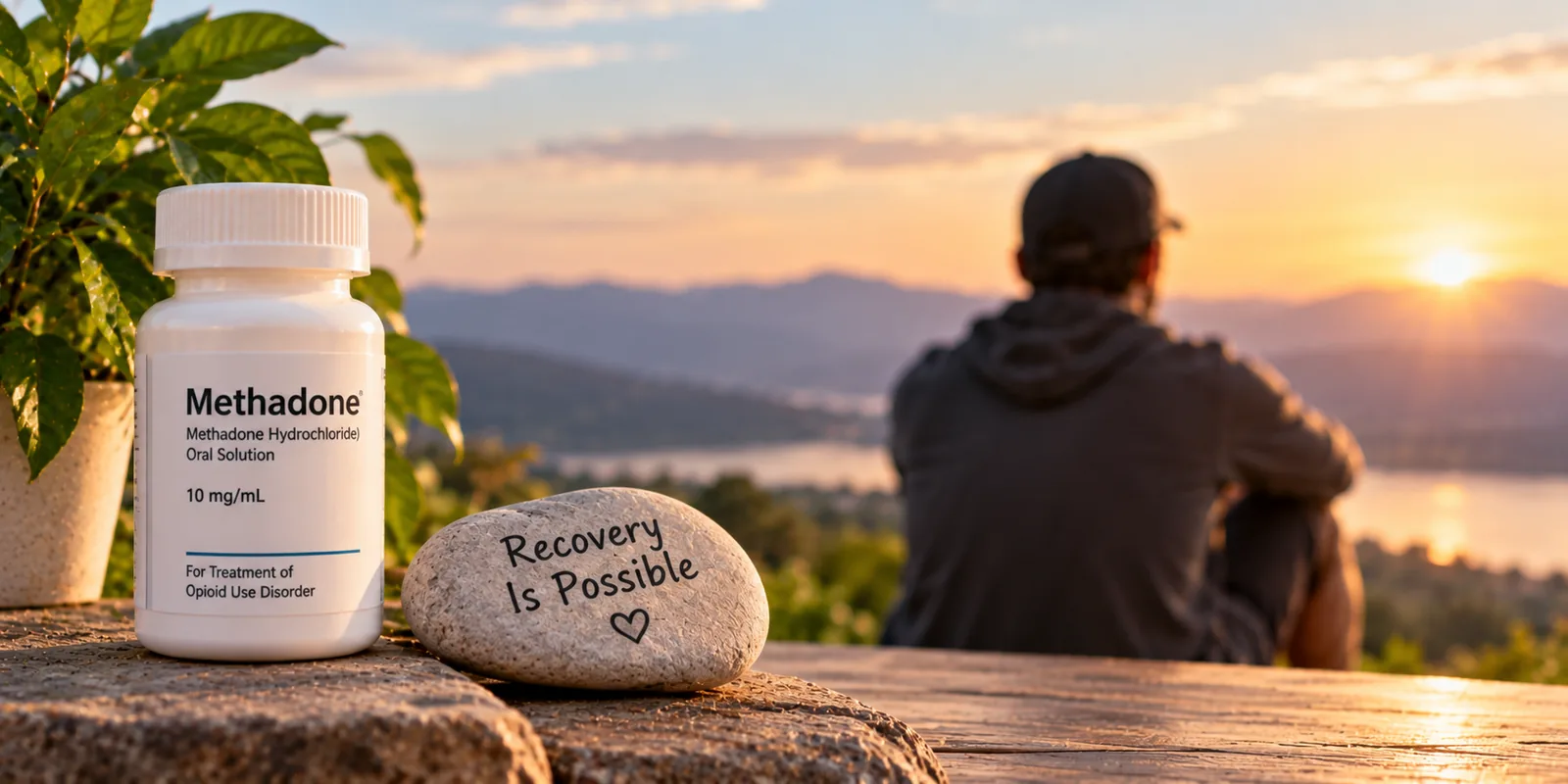
Is taking methadone considered clean? For many people in modern addiction treatment, taking methadone exactly as prescribed is completely compatible with being in recovery. Whether someone personally uses the word “clean” is another question.
Some traditional recovery communities define being clean as taking no opioids or mind-altering substances at all. Because methadone is an opioid medication, people receiving it sometimes hear that they are simply “replacing one drug with another.”
That view misses an important distinction.
Methadone is an evidence-based medication used to treat opioid use disorder. When taken under medical supervision, it can reduce withdrawal, decrease opioid cravings, and provide enough stability for people to rebuild their lives.
Understanding how methadone treatment for opioid addiction works can help separate medication-assisted recovery from uncontrolled drug use.
What Is Methadone and Why Is It Used?
Methadone is a long-acting opioid medication.
In opioid use disorder treatment, it can prevent withdrawal and reduce cravings without producing the repeated highs and crashes associated with short-acting illicit opioids.
That stability matters.
Someone actively addicted to heroin or fentanyl may spend enormous amounts of time thinking about opioids.
Where will the next dose come from?
How will they avoid withdrawal?
Do they have enough money?
Is the supply contaminated?
Could this dose cause an overdose?
Effective methadone treatment can interrupt that cycle.
Instead of constantly searching for opioids, someone may be able to return to work, repair relationships, attend counseling, care for their family, and focus on long-term recovery.
One important clarification: methadone is not methamphetamine. Methadone is an opioid medication used in opioid treatment, while methamphetamine addiction involves a powerful stimulant. The similar names sometimes cause confusion, but these are very different substances.
Why Do Some People Say Methadone Isn’t “Clean”?
Most of the disagreement comes down to how people define recovery.
Some abstinence-based groups believe being clean means taking no opioid medication whatsoever.
From that perspective, someone taking methadone may not meet their definition.
But recovery language is not standardized.
Our guide to sober vs. clean explains how these words can mean different things depending on the person or recovery community using them.
There is also an important difference between physical dependence and addiction.
Someone taking methadone regularly can become physically dependent on the medication. Stopping suddenly may cause withdrawal, which is why changes in methadone treatment should be medically supervised.
But physical dependence alone does not mean someone is behaving compulsively, losing control, or continuing to use despite destructive consequences.
Someone taking a stable prescribed dose through treatment is in a very different situation from someone repeatedly using unpredictable street opioids.
Is Methadone Just Replacing One Addiction With Another?
This phrase is common, but it oversimplifies treatment.
Imagine someone with severe opioid addiction.
Before treatment, they use fentanyl several times every day. They experience withdrawal when they stop. They constantly crave opioids and repeatedly return to use even after overdoses, treatment attempts, or major consequences.
Then they begin methadone treatment.
Their cravings become manageable.
They stop buying fentanyl.
They stop experiencing repeated intoxication and withdrawal cycles.
They find a job.
They reconnect with their children.
They attend counseling.
Their life becomes more stable.
Calling those two situations identical because both involve an opioid ignores what addiction treatment is trying to accomplish.
Similar debates occur with buprenorphine. Our article asking whether taking Suboxone is considered sober explores many of the same misconceptions.
Medication does not automatically cancel recovery.
Can You Take Prescription Medication and Still Be Clean?
People in recovery commonly take medications for physical and mental health conditions.
Someone may need antidepressants.
Another may take medication for ADHD, diabetes, seizures, anxiety, high blood pressure, or another medical condition.
Taking appropriate medication does not automatically mean someone has returned to active addiction.
This is why the broader question of whether you can take prescription medication and still be sober matters.
What matters is how the medication is being used.
Is it being taken as prescribed?
Is treatment medically supervised?
Is it helping reduce harmful substance use?
Is the person’s health and stability improving?
Methadone treatment should also not be stopped simply because someone feels pressured to prove they are “really clean.”
For some patients, treatment may continue for a long time. Any decision to reduce or discontinue methadone should be discussed with the treating healthcare team.
Stopping treatment and returning to illicit opioids can carry serious risks, particularly after tolerance has changed.
Your Recovery Is Bigger Than a Label
The debate over whether someone taking methadone is clean can become surprisingly emotional.
But recovery should not become a competition over vocabulary.
Some people receiving methadone proudly say they are clean.
Others prefer:
“I’m sober.”
“I’m in recovery.”
“I’m on medication for opioid use disorder.”
Or they use no recovery label at all.
Similar questions come up in the debate over recovering addict vs. recovered addict.
The word matters less than what your life looks like behind it.
Are you staying away from dangerous illicit opioids?
Are you reducing behaviors that once controlled your life?
Are you taking your medication as directed?
Are your relationships becoming healthier?
Are you creating stability?
Those are meaningful signs of progress.
If cravings for illicit opioids increase or old behaviors begin returning, recognize those changes as possible warning signs of relapse and seek support early.
For many people, methadone is not preventing addiction recovery.
It is helping them stay alive long enough to experience it.
You do not have to let someone else’s definition of “clean” erase the work you have done.
Recovery is ultimately measured by the healthier life you are building—not by whether everyone agrees on what to call it.Is taking methadone considered clean? For many people in modern addiction treatment, taking methadone exactly as prescribed is completely compatible with being in recovery. Whether someone personally uses the word “clean” is another question.
Some traditional recovery communities define being clean as taking no opioids or mind-altering substances at all. Because methadone is an opioid medication, people receiving it sometimes hear that they are simply “replacing one drug with another.”
That view misses an important distinction.
Methadone is an evidence-based medication used to treat opioid use disorder. When taken under medical supervision, it can reduce withdrawal, decrease opioid cravings, and provide enough stability for people to rebuild their lives.
Understanding how methadone treatment for opioid addiction works can help separate medication-assisted recovery from uncontrolled drug use.
What Is Methadone and Why Is It Used?
Methadone is a long-acting opioid medication.
In opioid use disorder treatment, it can prevent withdrawal and reduce cravings without producing the repeated highs and crashes associated with short-acting illicit opioids.
That stability matters.
Someone actively addicted to heroin or fentanyl may spend enormous amounts of time thinking about opioids.
Where will the next dose come from?
How will they avoid withdrawal?
Do they have enough money?
Is the supply contaminated?
Could this dose cause an overdose?
Effective methadone treatment can interrupt that cycle.
Instead of constantly searching for opioids, someone may be able to return to work, repair relationships, attend counseling, care for their family, and focus on long-term recovery.
One important clarification: methadone is not methamphetamine. Methadone is an opioid medication used in opioid treatment, while methamphetamine addiction involves a powerful stimulant. The similar names sometimes cause confusion, but these are very different substances.
Why Do Some People Say Methadone Isn’t “Clean”?
Most of the disagreement comes down to how people define recovery.
Some abstinence-based groups believe being clean means taking no opioid medication whatsoever.
From that perspective, someone taking methadone may not meet their definition.
But recovery language is not standardized.
Our guide to sober vs. clean explains how these words can mean different things depending on the person or recovery community using them.
There is also an important difference between physical dependence and addiction.
Someone taking methadone regularly can become physically dependent on the medication. Stopping suddenly may cause withdrawal, which is why changes in methadone treatment should be medically supervised.
But physical dependence alone does not mean someone is behaving compulsively, losing control, or continuing to use despite destructive consequences.
Someone taking a stable prescribed dose through treatment is in a very different situation from someone repeatedly using unpredictable street opioids.
Is Methadone Just Replacing One Addiction With Another?
This phrase is common, but it oversimplifies treatment.
Imagine someone with severe opioid addiction.
Before treatment, they use fentanyl several times every day. They experience withdrawal when they stop. They constantly crave opioids and repeatedly return to use even after overdoses, treatment attempts, or major consequences.
Then they begin methadone treatment.
Their cravings become manageable.
They stop buying fentanyl.
They stop experiencing repeated intoxication and withdrawal cycles.
They find a job.
They reconnect with their children.
They attend counseling.
Their life becomes more stable.
Calling those two situations identical because both involve an opioid ignores what addiction treatment is trying to accomplish.
Similar debates occur with buprenorphine. Our article asking whether taking Suboxone is considered sober explores many of the same misconceptions.
Medication does not automatically cancel recovery.
Can You Take Prescription Medication and Still Be Clean?
People in recovery commonly take medications for physical and mental health conditions.
Someone may need antidepressants.
Another may take medication for ADHD, diabetes, seizures, anxiety, high blood pressure, or another medical condition.
Taking appropriate medication does not automatically mean someone has returned to active addiction.
This is why the broader question of whether you can take prescription medication and still be sober matters.
What matters is how the medication is being used.
Is it being taken as prescribed?
Is treatment medically supervised?
Is it helping reduce harmful substance use?
Is the person’s health and stability improving?
Methadone treatment should also not be stopped simply because someone feels pressured to prove they are “really clean.”
For some patients, treatment may continue for a long time. Any decision to reduce or discontinue methadone should be discussed with the treating healthcare team.
Stopping treatment and returning to illicit opioids can carry serious risks, particularly after tolerance has changed.
Your Recovery Is Bigger Than a Label
The debate over whether someone taking methadone is clean can become surprisingly emotional.
But recovery should not become a competition over vocabulary.
Some people receiving methadone proudly say they are clean.
Others prefer:
“I’m sober.”
“I’m in recovery.”
“I’m on medication for opioid use disorder.”
Or they use no recovery label at all.
Similar questions come up in the debate over recovering addict vs. recovered addict.
The word matters less than what your life looks like behind it.
Are you staying away from dangerous illicit opioids?
Are you reducing behaviors that once controlled your life?
Are you taking your medication as directed?
Are your relationships becoming healthier?
Are you creating stability?
Those are meaningful signs of progress.
If cravings for illicit opioids increase or old behaviors begin returning, recognize those changes as possible warning signs of relapse and seek support early.
For many people, methadone is not preventing addiction recovery.
It is helping them stay alive long enough to experience it.
You do not have to let someone else’s definition of “clean” erase the work you have done.
Recovery is ultimately measured by the healthier life you are building—not by whether everyone agrees on what to call it.


