



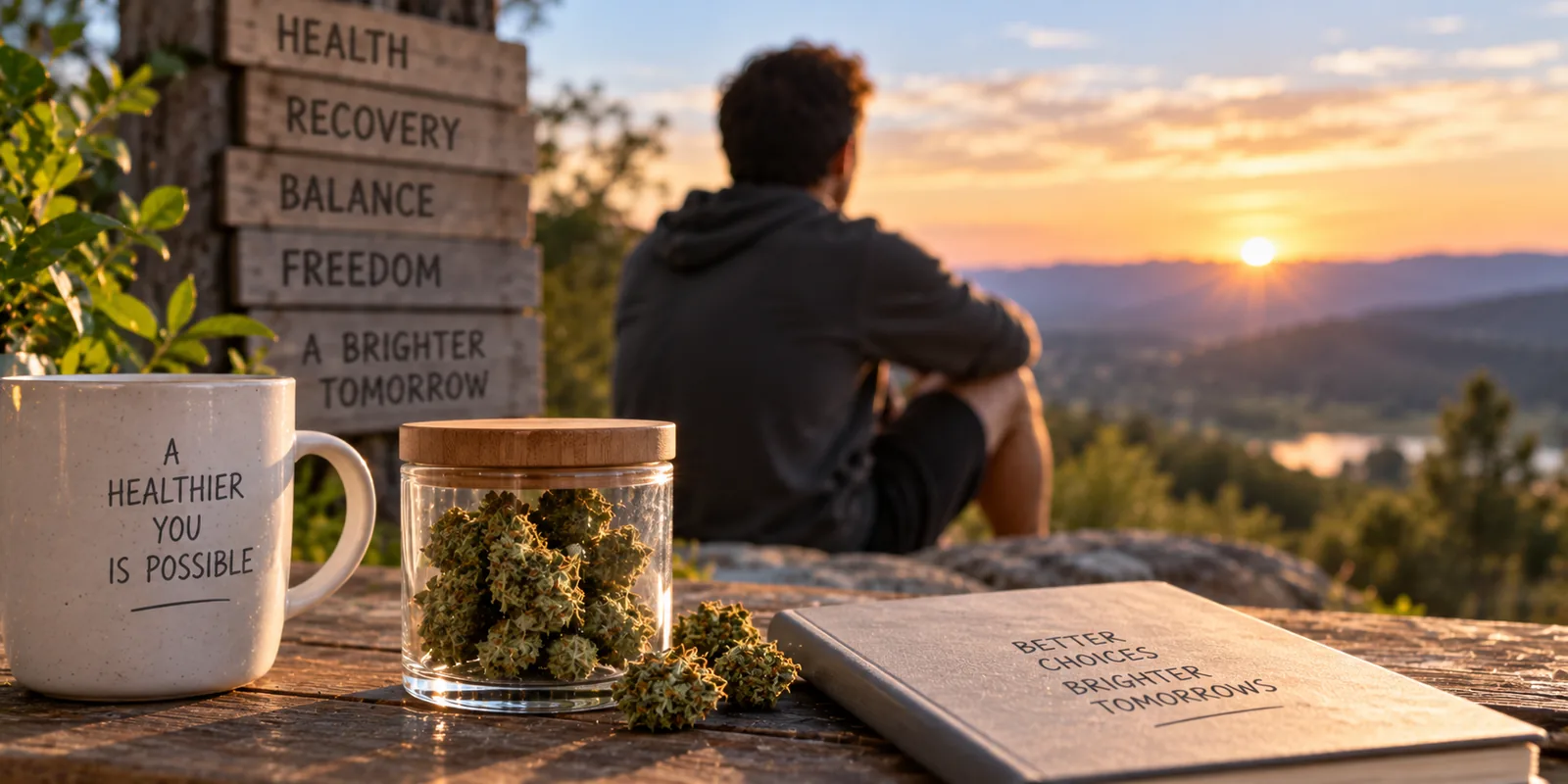


Can you smoke marijuana if you’re in addiction recovery? The answer is more complicated than simply saying yes or no.
Maybe alcohol, heroin, meth, cocaine, or prescription pills were the substances that nearly destroyed your life. Marijuana never seemed like the problem. You may even feel that cannabis helps you relax, sleep, eat, or stay away from the drug that caused the most damage.
So why should you have to give it up?
For some people, marijuana may not create the same problems as their original drug. For others, getting high can slowly bring back the same habits, emotional escape, secrecy, or loss of control that existed during active addiction.
Understanding marijuana use, dependence, and addiction can help you evaluate cannabis based on what it actually does in your life rather than assuming it is automatically safe because another substance was worse.
Does Smoking Marijuana Mean You’re Not Sober?
That depends on how sobriety is being defined.
Traditional abstinence-based recovery generally considers sobriety to mean avoiding recreational alcohol and non-prescribed drugs. Under that definition, smoking marijuana would usually not be considered complete sobriety.
Other people define recovery more broadly.
They focus on whether someone’s health, relationships, employment, mental health, and overall stability are improving.
This disagreement is part of the larger debate over being sober versus clean.
Someone may say, “I’ve been sober from heroin for five years,” even though they occasionally use cannabis.
Another person in an abstinence-based program may say that person is not sober at all.
The label matters less than honestly understanding what marijuana is doing to your recovery.
Can Marijuana Become a Replacement Addiction?
It can for some people.
Imagine someone who used opioids whenever life became emotionally painful.
After treatment, they stop opioids but begin smoking marijuana every evening.
Soon, every stressful day ends with cannabis.
Then weekends become all-day use.
Eventually they feel uncomfortable sleeping, socializing, eating, or relaxing without being high.
The substance changed.
The coping pattern may not have.
Cannabis can become difficult to control for some people, and people can develop cannabis use disorder.
Pay attention to behaviors such as:
- Using more marijuana than you planned
- Trying unsuccessfully to cut back
- Thinking about getting high throughout the day
- Needing cannabis to handle normal emotions
- Hiding how much you use
- Losing interest in sober activities
- Continuing despite problems at home or work
Recovery is partly about learning how to experience stress, boredom, sadness, anxiety, and ordinary life without automatically needing a substance to change how you feel.
Could Marijuana Trigger a Relapse to Other Drugs?
For some people, it may increase risk.
The concern is not necessarily that marijuana somehow forces someone to use another drug.
The risk may come from everything surrounding the use.
Getting high could lower your commitment to boundaries.
It could reconnect you with people who use other substances.
You might return to environments associated with past drug use.
Cannabis could also make thoughts such as maybe I can handle one more thing easier to entertain.
Someone recovering from cocaine addiction, for example, might initially use marijuana only. Months later, they begin drinking socially. Eventually, one night of lowered judgment puts cocaine back in front of them.
Alcohol can create similar concerns, which is why people often ask whether they can drink alcohol if drugs were their addiction.
Increasing secrecy, cravings for your old drug, reconnecting with former using friends, or abandoning recovery routines may be warning signs of relapse.
Do not wait for a full return to your original drug before paying attention.
What About California Sober?
Marijuana is central to another modern recovery debate: California sober.
California sober commonly describes avoiding certain substances while continuing to use others, particularly cannabis.
Someone may stop opioids, cocaine, meth, and alcohol while continuing marijuana.
For some people, that represents enormous harm reduction.
For others, it becomes a way to keep getting high while using a different label.
Learn more about what California sober means and the debate over whether California sober is really sobriety.
This connects with an even bigger question: can you be in recovery without being completely abstinent?
Different recovery approaches answer that question differently.
The important part is being honest about whether your approach is moving your life forward.
How Can You Tell if Marijuana Is Hurting Your Recovery?
Ask yourself what happens when you use cannabis.
Does marijuana make your life better—or simply make you care less about problems?
Can you comfortably go without it?
Are you using because you enjoy it occasionally, or because you cannot tolerate your emotions without it?
Has the amount you use increased?
Do you hide it from your sponsor, therapist, partner, family, or recovery friends?
Do you become defensive when someone questions your marijuana use?
Most importantly, does getting high make returning to your original drug seem more acceptable?
These questions are more useful than arguing over whether cannabis technically “counts.”
Your recovery plan should be based on your actual history and risks.
If you are unsure, discuss marijuana honestly with an addiction counselor, physician, therapist, sponsor, or another trusted recovery professional who understands your substance-use history.
Do not leave out information simply because you are afraid they will tell you something you do not want to hear.
Protect What You’ve Built
Recovery is not about proving that you can safely use another substance.
It is about building a life with more freedom.
For some people, marijuana may not lead back to destructive substance use.
For others, it becomes the first small compromise in a series of compromises that eventually returns them to active addiction.
You do not need to decide what marijuana means for everyone.
You only need to be honest about what it means for you.
If cannabis is becoming more important, harder to control, or connected with old behaviors, take that seriously.
Explore more resources about building sustainable addiction recovery.
The question is not simply:
Can I smoke marijuana and still call myself sober?
A better question is:
Does smoking marijuana protect the life I’m building—or put it at risk?
Your recovery is worth answering that question honestly.


