



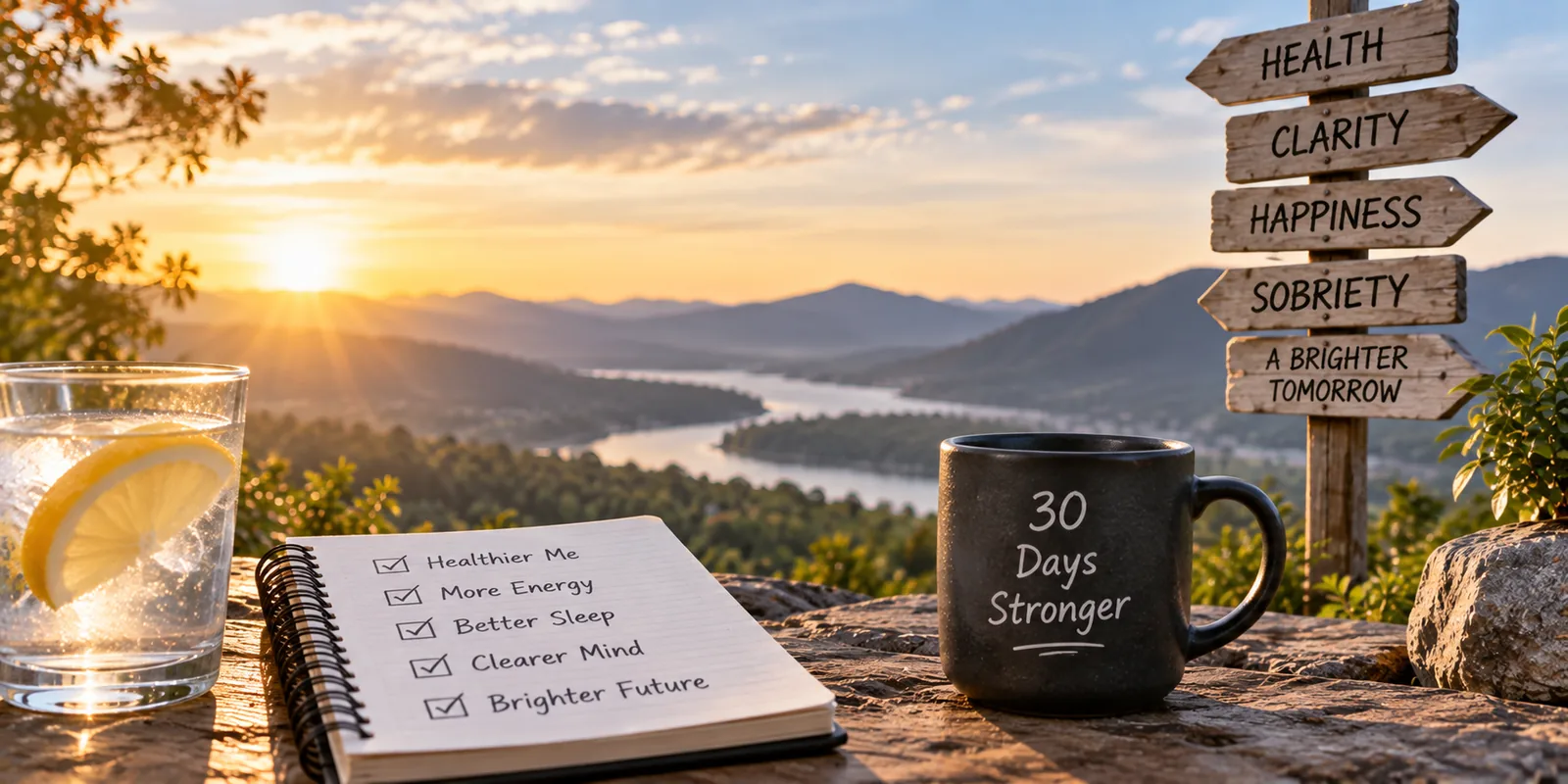


Going 30 days without alcohol can give your body and brain an important opportunity to recover from the effects of drinking. During the first month, you may notice changes in sleep, energy, digestion, mood, hydration, cravings, and mental clarity. Some improvements can appear quickly, while others develop gradually over weeks or months.
However, the first few days are not always easy—or safe. If you drink heavily or regularly, suddenly stopping alcohol can cause dangerous withdrawal. Professional alcohol detox may be necessary to manage symptoms safely.
Once withdrawal passes, the body can begin focusing more fully on healing. Thirty days is only the beginning, but it can provide a powerful glimpse of what longer-term sobriety may offer.
The First Few Days Without Alcohol
The earliest stage of quitting alcohol may involve withdrawal rather than immediate improvement.
Symptoms can include anxiety, sweating, shaking, headaches, nausea, irritability, insomnia, and a rapid heartbeat. For some people, withdrawal can become much more serious.
Understanding the phases of alcohol withdrawal is especially important if you have been drinking heavily or for a long time.
Severe withdrawal may include seizures, extreme confusion, or hallucinations related to alcohol withdrawal. These symptoms require medical attention.
This is why someone with significant alcohol addiction should not assume that quitting suddenly at home is automatically safe.
Once the acute withdrawal period begins to pass, many people start noticing smaller changes.
You may wake up without a hangover.
Your stomach may feel better.
You may start drinking more water and eating more regularly.
You might also realize just how much of your daily routine revolved around alcohol.
That realization can be uncomfortable—but it can also be the beginning of real change.
Your Sleep and Energy May Start Improving
Alcohol can make people feel sleepy, but that does not necessarily mean it creates healthy sleep.
After quitting, sleep may actually feel worse at first. Some people have trouble falling asleep, wake frequently, experience vivid dreams, or feel restless during the night.
Give your body time.
As the weeks pass, sleep patterns may begin becoming more stable. Better sleep can then affect almost everything else.
You may feel more alert in the morning.
Your concentration may improve.
Exercise may become easier.
You may have more patience at work or with family.
Instead of spending mornings recovering from the night before, you can begin using them again.
These changes fit into a much broader sobriety timeline, because physical and emotional recovery continues far beyond the first month.
Your Liver Gets a Break From Alcohol
Your liver does much of the work of processing alcohol.
When drinking stops, that workload changes immediately.
For people with early alcohol-related liver changes, abstinence may give the liver an opportunity to begin recovering. How much recovery is possible depends heavily on the severity of the damage.
Our guide discussing whether the liver can recover from alcohol abuse explains why some alcohol-related liver problems may improve while more advanced disease can cause permanent damage.
Signs such as jaundice caused by heavy alcohol use—including yellowing of the eyes or skin—should never be ignored and deserve medical evaluation.
After 30 alcohol-free days, you cannot assume that liver damage has disappeared.
But every day without alcohol removes another source of stress on the liver.
That matters.
Your Brain and Mood Can Begin Adjusting
Alcohol affects the brain systems involved in sleep, stress, mood, memory, judgment, and reward.
When alcohol suddenly disappears, your brain has to adjust.
This can help explain why early sobriety sometimes feels emotionally unpredictable.
One day you may feel excited.
The next you may feel anxious, flat, irritable, or exhausted.
That does not necessarily mean sobriety is making you worse. Your brain and daily habits are adapting to a major change.
Brain recovery also takes longer than 30 days. Our guide to how long the brain takes to heal from alcohol explores why recovery can continue for months or longer.
Long-term heavy drinking can also contribute to severe neurological problems such as wet brain related to chronic alcohol use, particularly when nutritional deficiencies are involved.
Thirty days sober is meaningful, but brain healing is a process—not a deadline.
Cravings May Still Be Strong at 30 Days
Reaching a month without alcohol does not mean cravings automatically disappear.
Some people experience fewer cravings after several weeks. Others find that certain situations suddenly make the desire to drink extremely strong.
A stressful day at work.
Dinner at your favorite restaurant.
A football game.
Seeing an old drinking friend.
Even feeling happy can become a trigger if alcohol was always part of celebrations.
Understanding how long alcohol cravings can last after quitting can help you prepare rather than panic when an urge appears.
The goal is not necessarily to never think about alcohol again.
The goal is to learn that a craving can come and go without controlling what you do next.
Thirty Days Is the Beginning, Not the Finish Line
Making it 30 days without alcohol is worth recognizing.
You may be sleeping better, thinking more clearly, feeling less bloated, experiencing improved energy, or beginning to repair relationships damaged by drinking.
But recovery continues.
Our complete alcohol recovery timeline follows what can happen from the earliest withdrawal period through longer-term sobriety.
The changes can become even more noticeable by 90 days without alcohol, six months, and beyond.
Long-term recovery also involves more than physical healing.
It means learning how to handle stress without drinking. It means rebuilding trust. It means creating healthier routines and finding people who support your sobriety.
Thirty days can prove something important:
Life without alcohol is possible.
You do not have to fix everything in one month. You simply have to keep building on the progress you have already made—one sober day at a time.


