



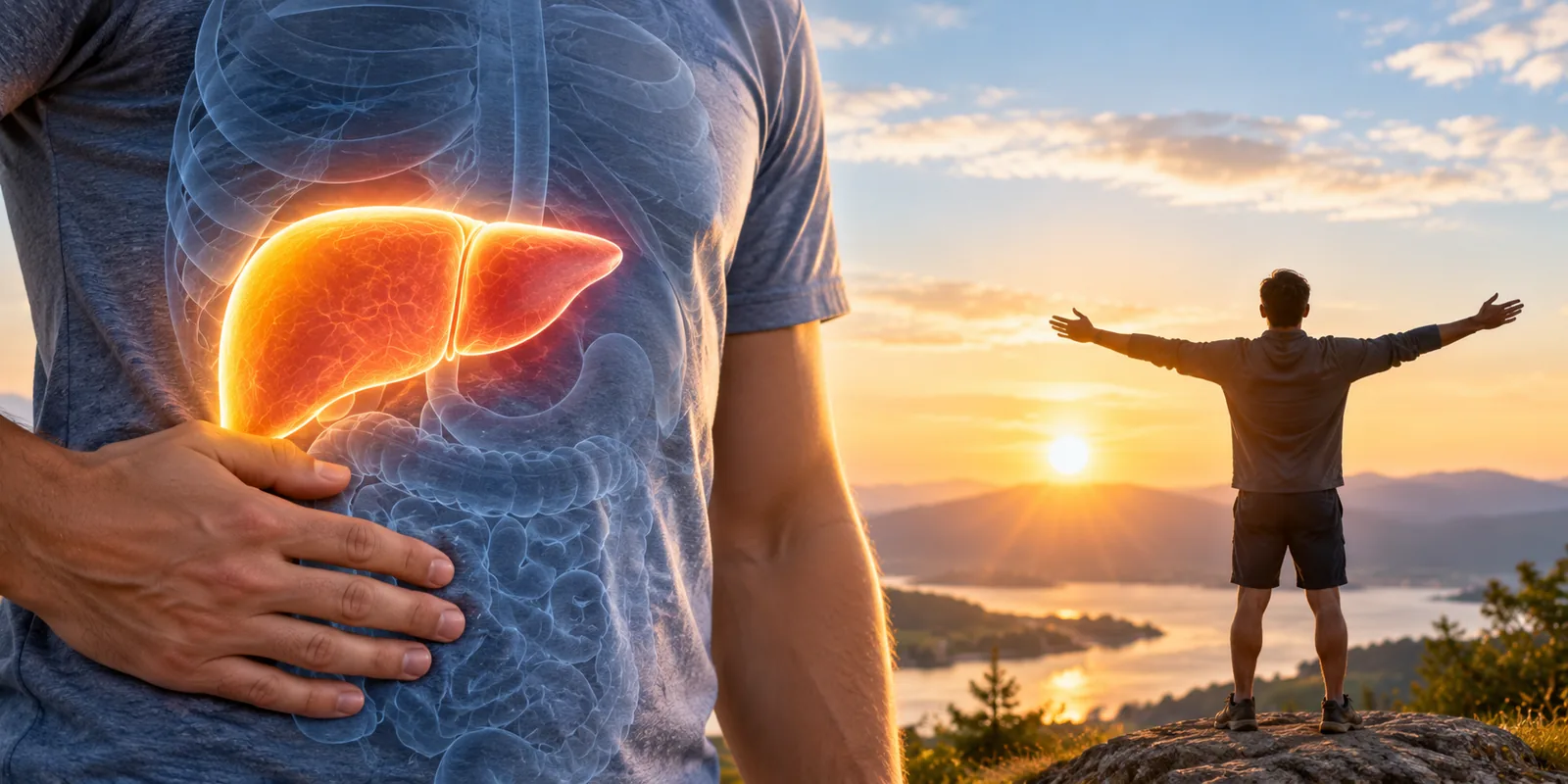


Can your liver fully recover from alcohol abuse? In some cases, yes—but it depends on how much damage has already occurred. The liver has an impressive ability to repair itself, and early alcohol-related damage can improve significantly when drinking stops. However, advanced scarring called cirrhosis is generally permanent.
That makes one thing extremely important: stopping alcohol before liver damage becomes severe.
Heavy drinking can cause several stages of alcoholic liver disease, ranging from fatty liver to inflammation, fibrosis, cirrhosis, and potentially liver failure. These stages do not affect everyone in exactly the same way.
The sooner alcohol is removed, the better chance the liver has to recover.
If you have been drinking heavily, however, suddenly quitting can sometimes cause dangerous withdrawal. Professional alcohol detox may be necessary before the healing process can safely begin.
What Alcohol Does to Your Liver
Your liver performs hundreds of important jobs. It processes nutrients, removes toxins, helps regulate blood sugar, produces proteins, and breaks down much of the alcohol you drink.
That means heavy drinking repeatedly exposes the liver to alcohol and toxic byproducts created as alcohol is metabolized.
Over time, this can injure liver cells.
Alcohol-related liver damage can progress through several forms:
Fatty liver: Excess fat accumulates inside liver cells.
Alcohol-associated hepatitis: The liver becomes inflamed and damaged.
Fibrosis: Scar tissue begins developing.
Cirrhosis: Extensive scarring permanently changes the structure of the liver and interferes with its ability to work normally.
Not every person progresses through every stage. Some people develop serious liver problems after fewer years of drinking than others.
If you are struggling with alcohol addiction, quitting sooner rather than later can make an enormous difference.
Can Alcoholic Fatty Liver Heal?
Fatty liver is generally considered the earliest stage of alcohol-related liver injury, and it has the greatest potential for recovery.
When alcohol use stops, fat that has accumulated in the liver can decrease. This is one reason someone may see meaningful health changes relatively early in sobriety.
Your liver does not need to wait one year before healing starts.
The broader sobriety timeline shows how recovery begins much earlier and continues over time.
At 30 days without alcohol, your body has already had a month without the repeated effects of drinking.
At 90 days without alcohol, the liver has had even more time away from alcohol.
But feeling better does not prove that your liver is healthy.
Alcohol-related liver disease can sometimes cause few obvious symptoms during earlier stages. Medical evaluation, blood tests, and imaging may be needed to determine what is actually happening.
Can Alcoholic Hepatitis and Fibrosis Improve?
The answer becomes more complicated once inflammation and scarring develop.
Alcohol-associated hepatitis can range from mild inflammation to a severe and potentially life-threatening illness. Stopping alcohol is critical, but some people also need hospitalization and specialized medical treatment.
Fibrosis means scar tissue has begun developing inside the liver.
Some liver injury and earlier fibrosis may improve when the cause of the damage is removed, especially before extensive cirrhosis develops. But there is no guaranteed timeline for recovery.
This is why waiting for obvious symptoms can be dangerous.
One important warning sign is jaundice associated with alcoholism, which causes the skin or whites of the eyes to turn yellow.
Other possible warning signs include abdominal swelling, unusual bruising or bleeding, severe fatigue, confusion, dark urine, and swelling in the legs.
These symptoms deserve medical attention.
Can Cirrhosis From Alcohol Be Reversed?
Cirrhosis is different.
Cirrhosis occurs when extensive scar tissue replaces healthy liver tissue and changes the liver’s normal structure. That scarring is generally considered permanent.
Stopping alcohol still matters enormously.
Abstinence can prevent additional alcohol-related injury and may improve a person’s outlook even when cirrhosis is already present.
Think of it this way: quitting alcohol may not erase existing scars, but continuing to drink can cause even more damage.
People with cirrhosis need medical monitoring because advanced liver disease can cause serious complications.
Recovery also involves much more than simply waiting for the liver to heal. Nutrition, medication management, medical follow-up, and treatment for alcohol use disorder can all become important parts of care.
How Long Does Liver Recovery Take After Quitting Alcohol?
There is no universal liver recovery timeline.
Someone with fatty liver may experience substantial improvement relatively early after stopping alcohol. Someone with hepatitis, fibrosis, or cirrhosis may require ongoing medical treatment and much more time.
Your drinking history matters.
So do age, genetics, body weight, nutrition, smoking, medications, viral hepatitis, diabetes, and other health conditions.
The complete alcohol recovery timeline shows why healing should be viewed over months and years rather than days.
At six months without alcohol, your body has had half a year without repeated alcohol exposure.
After one year without alcohol, improvements may extend far beyond the liver to sleep, brain function, relationships, energy, and daily life.
The key is consistency.
Going back to heavy drinking can restart liver injury.
The Best Thing You Can Do for Your Liver
If alcohol is damaging your liver, one of the most important steps you can take is removing alcohol from the equation and getting appropriate medical care.
Do not wait until you develop yellow eyes or severe abdominal swelling.
And if you have been drinking heavily every day, do not assume you should suddenly stop without medical guidance. The phases of alcohol withdrawal can include serious complications, particularly in people with significant physical dependence.
Long-term addiction recovery gives your liver something it desperately needs: time without repeated alcohol exposure.
So, can your liver fully recover from alcohol abuse?
Early damage may heal remarkably well. More advanced disease may improve when alcohol stops, but cirrhosis can leave permanent scars.
You cannot change the years that came before today.
But you can stop adding damage tomorrow.


