



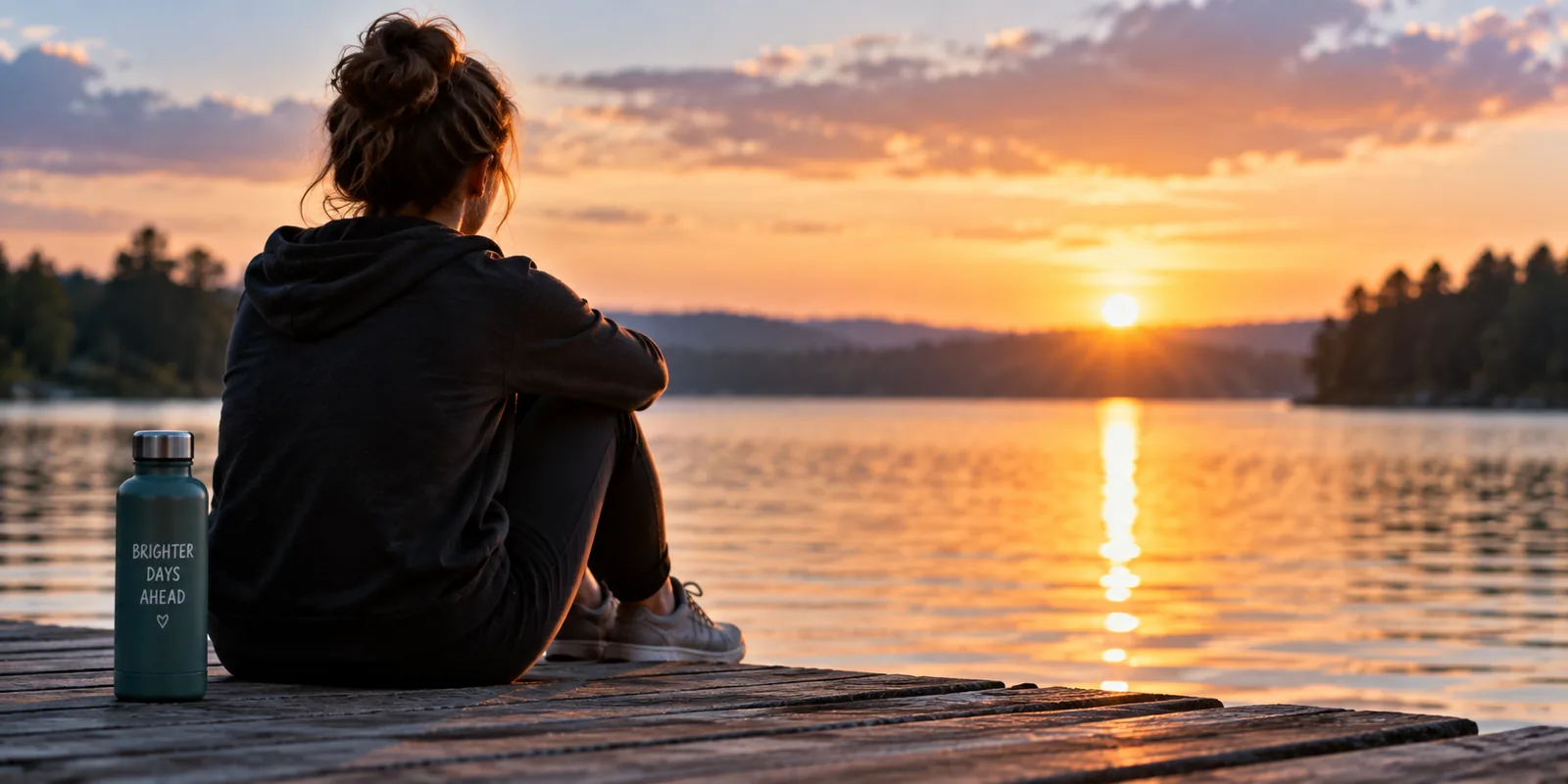


Why can recovery feel so lonely? You may have expected getting sober to bring freedom, happiness, and stronger relationships. Instead, your phone is quieter. Weekends feel empty. People you once saw every day seem to disappear.
You may even wonder:
Was I less lonely when I was using?
That feeling can be one of the hardest surprises in addiction recovery.
Drugs and alcohol may have damaged relationships, but they also created routines, social circles, and places where you felt like you belonged. When those disappear, there can be a painful space between your old life and the new one you are still building.
Understanding the sobriety timeline and how recovery changes over time can help. Early sobriety may focus on simply staying safe and not using. Building connection, purpose, and a new social life can take longer.
Your Old Social Life May Disappear
Addiction can create relationships built around substances.
You drank together.
Used together.
Went to the same bars.
Called the same dealer.
Stayed up all night with the same people.
When you get sober, some of those relationships may no longer be safe.
That can create a strange kind of grief.
You might know someone was unhealthy for you and still miss them.
You may miss the jokes, late nights, conversations, or feeling that you always had somewhere to go.
Recovery sometimes requires walking away before you have new people waiting on the other side.
That transition can feel extremely lonely.
Learning how to make friends when you’re sober can help you begin creating relationships based on who you are now instead of what you used together.
You May Feel Like Nobody Understands You
Another kind of loneliness happens even when other people are around.
Your family may love you.
Your coworkers may support you.
Your partner may be relieved that you are sober.
But they may not understand what recovery feels like.
They may wonder why you still struggle.
“It’s been three months. Aren’t you better now?”
“You stopped using. Why are you still unhappy?”
They may not understand cravings, guilt, emotional numbness, or how strange ordinary life can feel after years of substance use.
That does not mean they do not care.
They simply may not have lived it.
This is one reason peer support can be powerful. Talking with people who understand addiction from personal experience can reduce the feeling that you have to explain everything.
You deserve relationships where you can say, “Today is hard,” without pretending everything is fine.
Free Time Can Turn Into Isolation
Addiction takes up enormous amounts of time.
Finding substances.
Using.
Recovering.
Hiding use.
Planning the next time.
Once that cycle stops, evenings and weekends may suddenly feel enormous.
You sit at home.
You scroll your phone.
You think about what everyone else is doing.
Then boredom starts feeling like loneliness.
Our guide to what to do with your free time in recovery can help you create structure before empty hours become isolation.
Learning how to deal with boredom without getting high is also important.
You do not need to keep yourself constantly busy.
But having plans matters.
Go to the gym.
Walk somewhere new.
Volunteer.
Take a class.
Attend a meeting.
Call someone.
Have coffee with another person in recovery.
Connection rarely appears while you are waiting alone for life to become interesting.
Sober Socializing Can Feel Awkward at First
You may also realize you do not know how to socialize without substances.
For years, alcohol may have made conversations easier.
Drugs may have given you confidence.
Parties automatically provided something to do.
Now you walk into a room sober and suddenly notice everything.
Where do I stand?
What do I say?
Do I look uncomfortable?
What if everyone is drinking?
That awkwardness does not mean you have lost your ability to connect.
You are learning a new skill.
Start small.
Meet one person for coffee instead of going to a huge party.
Try activities where the focus is something other than drinking.
Sports.
Hiking.
Gaming.
Fitness classes.
Art.
Volunteering.
Recovery events.
Learning how to have fun without drugs or alcohol can gradually make sober socializing feel normal instead of forced.
Loneliness Can Make Recovery Feel Worse
Loneliness affects more than your social calendar.
It can change the way you think about sobriety.
You may begin remembering only the exciting parts of using.
The parties.
The people.
The feeling of belonging.
You forget the arguments, withdrawals, lies, overdoses, fear, and consequences.
If you already feel worse after getting sober, isolation can make those emotions even heavier.
Some people also experience anhedonia during addiction recovery, where activities and relationships do not feel as rewarding as expected.
That combination can create a dangerous thought:
At least when I was using, I had people.
Do not handle that thought alone.
Call someone.
Go somewhere safe.
Reconnect with treatment or recovery support.
Loneliness does not mean your old life was better.
It may mean your new one still needs people in it.
Build a Life Where Connection Has a Place
Recovery is not supposed to mean sitting alone avoiding drugs forever.
The goal is to build something.
Friendships.
Family relationships.
Community.
Hobbies.
Goals.
Purpose.
Learning how to find purpose after getting sober can help your life begin expanding beyond simply not using.
Connection often grows slowly.
One conversation becomes a friendship.
One meeting becomes a community.
One hobby becomes a group of people you see every week.
You may not recreate the social life you had during addiction.
That can be a good thing.
The relationships you build now can be based on honesty rather than intoxication, crisis, or convenience.
Recovery can feel lonely because you are leaving one world before you fully belong to another.
Keep going.
Reach out.
Show up.
Let people know you.
The empty space addiction leaves behind does not have to stay empty forever.
Over time, it can become room for healthier relationships, real connection, and a life you actually want to share with other people.


