



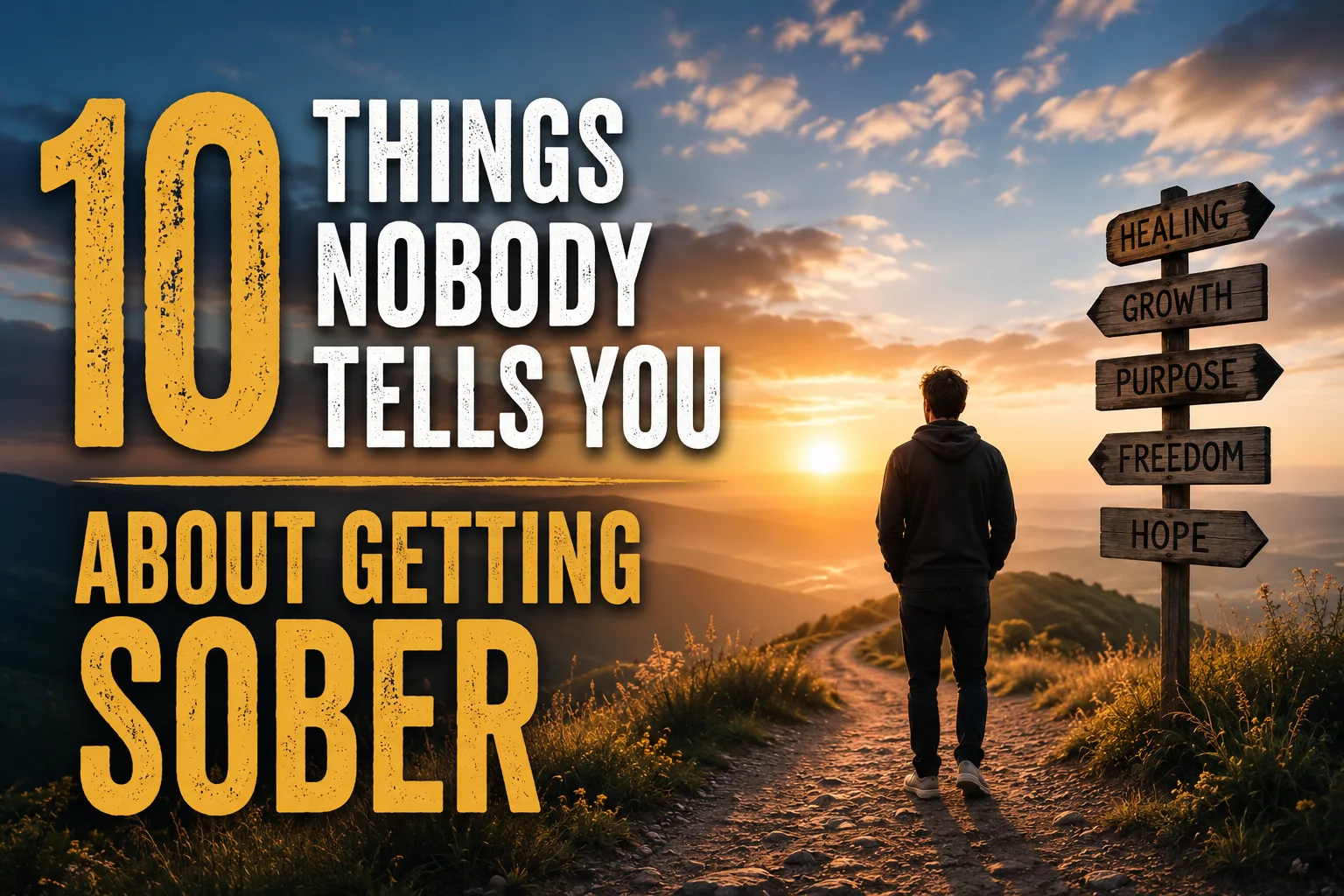


Getting sober can change your life, but the beginning is not always the peaceful, clear-headed experience people imagine. If you are wondering what to expect when getting sober, the truth is that recovery can feel uncomfortable before it starts feeling freeing. Your body is adjusting. Your emotions may come rushing back. Your relationships may change. Even having extra time can feel strange when drugs or alcohol once filled so much of your day.
None of this means you are doing recovery wrong.
Sobriety is not simply removing a substance. It is learning how to live without needing that substance to escape, celebrate, sleep, socialize, or cope.
Here are 10 things people often wish someone had told them before they got sober.
1. You May Not Feel Amazing Right Away
People often imagine that once they stop drinking or using drugs, they will immediately feel healthier and happier.
Sometimes they do.
Other times, the first days and weeks are difficult.
Depending on the substance, someone may experience withdrawal symptoms, poor sleep, anxiety, irritability, exhaustion, or strong cravings. Alcohol and benzodiazepine withdrawal can also become medically dangerous and may require medical detox.
Even after withdrawal ends, your body and brain may need time to adjust.
Recovery is healing, and healing takes time.
2. Your Emotions May Feel Much Stronger
Drugs and alcohol can numb emotions.
When you remove them, feelings that have been pushed down for months or years may suddenly return.
Sadness can feel heavier.
Anger may come faster.
Anxiety may seem stronger.
You may even feel happiness more intensely.
Learning to experience emotions without immediately trying to change them with a substance is a major part of early recovery.
Counseling, peer support, exercise, journaling, and talking honestly with supportive people can help.
3. Boredom Can Be Surprisingly Dangerous
Nobody talks enough about boredom in recovery.
Active addiction takes time.
Finding substances takes time. Using them takes time. Recovering from using them takes time.
When that cycle suddenly disappears, there can be hours that seem completely empty.
That emptiness can become a trigger.
Creating a recovery routine is important. Work, exercise, meetings, hobbies, family time, volunteering, and healthy activities can begin filling the space addiction once occupied.
Eventually, you may discover interests you forgot you had.
4. Some Friendships Will Change
Getting sober can reveal which relationships were based on genuine friendship and which were mainly based on substance use.
Some friends will support your recovery.
Others may not understand it.
A few may pressure you to drink or use again because your sobriety makes them uncomfortable with their own behavior.
Walking away from people you care about can hurt.
But protecting your recovery sometimes means creating distance from relationships that keep pulling you toward your old life.
Building a sober support network can help replace that connection.
5. People May Not Trust You Immediately
You may know that you have changed.
Your family may not know that yet.
Addiction can involve broken promises, disappearing, lying, financial problems, or frightening behavior. Loved ones may need time before they believe things are truly different.
You cannot force trust to return.
You can build it.
Show up.
Keep promises.
Answer the phone.
Be honest.
Accept responsibility.
Rebuilding relationships after addiction often happens through months of consistent behavior rather than one emotional apology.
6. Getting Sober Does Not Automatically Fix Everything
Sobriety can make change possible.
It does not magically erase debt, legal problems, damaged relationships, anxiety, depression, or problems at work.
In fact, you may become more aware of those problems once you are sober.
That can feel discouraging.
Remember that you do not have to repair your entire life at once.
Start with stability.
Protect your recovery. Handle urgent responsibilities. Then begin rebuilding finances, relationships, health, and long-term goals one step at a time.
7. Cravings Can Appear When You Least Expect Them
You might expect cravings when you are stressed.
You may not expect them while driving past an old neighborhood, hearing a certain song, celebrating good news, smelling alcohol, or seeing someone from your past.
Triggers can be emotional, social, environmental, or completely unexpected.
This is why understanding addiction triggers and creating a relapse prevention plan can be so valuable.
A craving is not a command.
It can pass without you acting on it.
8. You May Grieve Your Old Life
This surprises many people.
You can know addiction was destroying your life and still miss parts of it.
You may miss friends.
You may miss nightlife.
You may miss the feeling of escaping.
You may even remember the “good times” more clearly than the consequences.
That does not mean you secretly want your addiction back.
It means you are adjusting to a major life change.
Recovery involves letting go of one identity while discovering another.
9. Asking for Help Gets Easier
Early in recovery, asking for help can feel uncomfortable.
You may think you should be able to handle everything yourself.
But isolation can make problems grow.
Calling someone before a craving becomes overwhelming is a strength.
Going back to counseling when life becomes difficult is a strength.
Attending another meeting is a strength.
The people who build lasting recovery are often not the people who never struggle.
They are the people who learn to reach out when they do.
10. Sobriety Can Become Much Bigger Than Not Using
At first, sobriety may feel like constantly saying no.
No drinking.
No drugs.
No old friends.
No old places.
Over time, recovery can become about saying yes.
Yes to healthier relationships.
Yes to waking up clear-headed.
Yes to keeping promises.
Yes to new experiences.
Yes to planning for the future.
Eventually, you may go through an entire day without thinking much about drugs or alcohol.
That is when something powerful begins to happen.
You stop simply avoiding your old life.
You begin building a new one.
Getting Sober Is Only the Beginning
Nobody experiences recovery exactly the same way.
Some days may feel incredible. Others may feel frustrating, lonely, or uncertain.
That is normal.
The goal is not to become a completely different person overnight.
The goal is to keep moving forward.
If you are struggling to stop using drugs or alcohol, professional addiction treatment can provide medical care, structure, recovery support, and a plan for what comes next.
Getting sober may begin with one difficult decision.
But over time, that decision can become the foundation for an entirely different life.


