



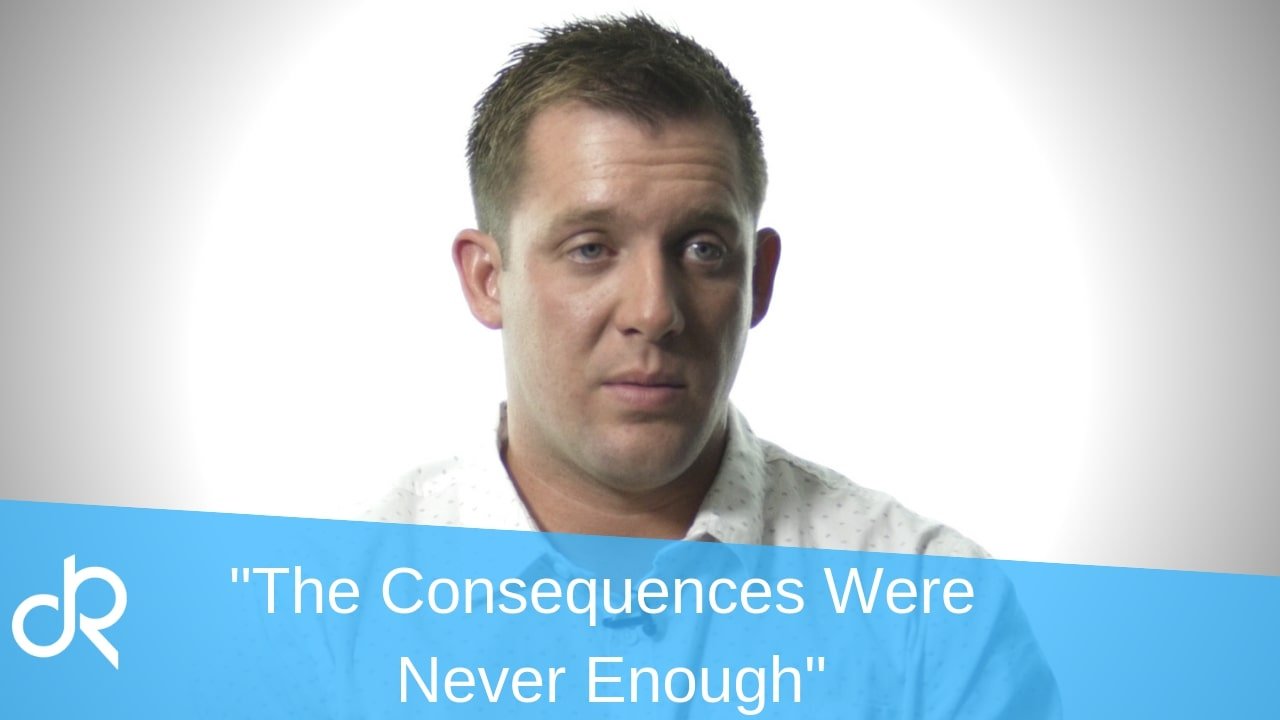
Some stories start with sirens and end with service. This Phoenix addiction recovery story follows a kid who first used at 11 and later found a way out through 12-step recovery after prison. The danger is real: the U.S. has recorded 100,000+ drug-overdose deaths in recent years, and alcohol-involved crashes still devastate families every day. In Phoenix, Arizona, that risk lives on familiar corners—83rd & McDowell, 91st Ave & McDowell, Sunnyslope—and in everyday places like gas stations, fast-food lines, and big box stores. This is how one person turned that chaos into purpose.
Phoenix Addiction Recovery Story: When “Consequences” Didn’t Work
He was a smart, restless kid who tried marijuana/weed at around age 11 and liked what it did to his feelings. Soon came alcohol—rum, strawberry daiquiris, Jim Beam—and the belief that trouble wouldn’t stick. It did. Juvenile arrests, shop runs at Circle K, Walgreens, Walmart, PetSmart, late nights at Jack in the Box, long drives to a Pilot truck stop—each place carried a memory of risk. There were brushes with methamphetamine (even theft-for-meth deals), lines of cocaine, and the burn of crack (freebased with ammonia). Later, heroin crept in, and dependence followed, tangling the family in fear. He also chased or misused prescriptions tied to his story—Ritalin for childhood ADD, Xanax for panic, Wellbutrin sought when the lows got deep.
He cycled through juvenile detention, Adobe Mountain, a “Scared Straight”–style federal prison visit (Pioneer), and probation violations that landed him in the High Impact Substance Abuse Program. Every new consequence felt like a wall—until it didn’t. The truth was simple: consequences interrupt behavior; they don’t build a new life.

12-Step Recovery After Prison: What Finally Changed
Adult time at the Florence prison complex brought a different kind of mirror. Inside, volunteers and peers introduced 12-step tools. He picked up a book, joined a circle, and—instead of promising the future—told the truth about the past. Steps gave him language, a sponsor gave him direction, and amends turned “I’m sorry” into action. When he paroled to Sunnyslope, he moved into a halfway house, chose a home group, kept showing up, and started service. He learned to call before he used, to sit with feelings, to ask for help, and to give it.
Recovery didn’t erase consequences; it transformed them into teachers. Random TASC/TASK color-code drug testing became structure, not punishment. PALS (Parents of Addicted Loved Ones) meetings helped his family heal on their own timeline. He even returned to the system as an Arizona Department of Corrections volunteer, proof that the guy who once broke rules could help hold the line for someone new.

Programs, Places & Turning Points (AZ + Beyond)
The road was messy and real. There were peers from Mendocino County, CA, a risky contact in Nogales, Mexico, and the constant pull of old corners in Phoenix, Arizona—83rd & McDowell, 91st Ave & McDowell, Sunnyslope. Yet he stacked supports that held:
- Youth Recovery Academy (6-month inpatient): time to stabilize, learn relapse-prevention, and practice honesty.
- Florence prison complex: the place he first worked steps for the right reasons.
- Halfway house (Sunnyslope): curfews, chores, roommates, meetings—guardrails early recovery needs.
- Home group, sponsor, steps, amends, ongoing service: the daily engine that made change durable.
Over years, small wins became a life. He started Helping Hand Auto & Marine, showing up clean, on time, and trustworthy. Then he used what saved him to save others, building Sanctuary Sober Living—about seven houses and seventy beds—so people stepping out of jail, prison, or chaos had a safe place to land. The guy who once cycled through cells now carried keys that open doors.
Watch the Story & Feature It on Your Page
Mentions for readers and searchers: marijuana/weed, alcohol (rum, strawberry daiquiris, Jim Beam), methamphetamine, cocaine, crack (freebase with ammonia), heroin, Ritalin, Xanax, Wellbutrin; juvenile detention, High Impact Substance Abuse Program, “Scared Straight” visit (Pioneer), Youth Recovery Academy (6-month inpatient), adult incarceration at Florence with 12-step, halfway house in Sunnyslope, home group, sponsor, amends, service, long-term recovery and mentoring; Adobe Mountain, Florence prison complex, TASC/TASK testing, High Impact Substance Abuse Program, PALS, Arizona Department of Corrections (volunteer), Helping Hand Auto & Marine, Sanctuary Sober Living (~7 houses/70 beds); Phoenix, Arizona (83rd & McDowell, 91st Ave & McDowell, Sunnyslope), Florence, AZ, Nogales, Mexico, Mendocino County, CA, everyday sites like Circle K, Walgreens, Walmart, PetSmart, Jack in the Box, Pilot.

What This Story Teaches—and Your Next Step
- Consequences alone aren’t enough. They can stop you today, but connection and structure keep you sober tomorrow.
- 12-step tools travel. A home group, sponsor, steps, amends, and service work in prison, halfway, and real life.
- Stack supports. Housing, meetings, testing, family groups like PALS, and honest work build a stable base.
- Purpose protects recovery. Helping others—through meetings or sober housing—turns sobriety into a mission worth defending.
If this sounds like your life—or someone you love—start now. We’ll help you verify insurance, find detox, match residential or outpatient care, and connect you to meetings and sober housing in Phoenix and across Arizona.
GET HELP NOW: (866) 578-7471 • DetoxToRehab.com
If you’re in immediate crisis, call 988.


