





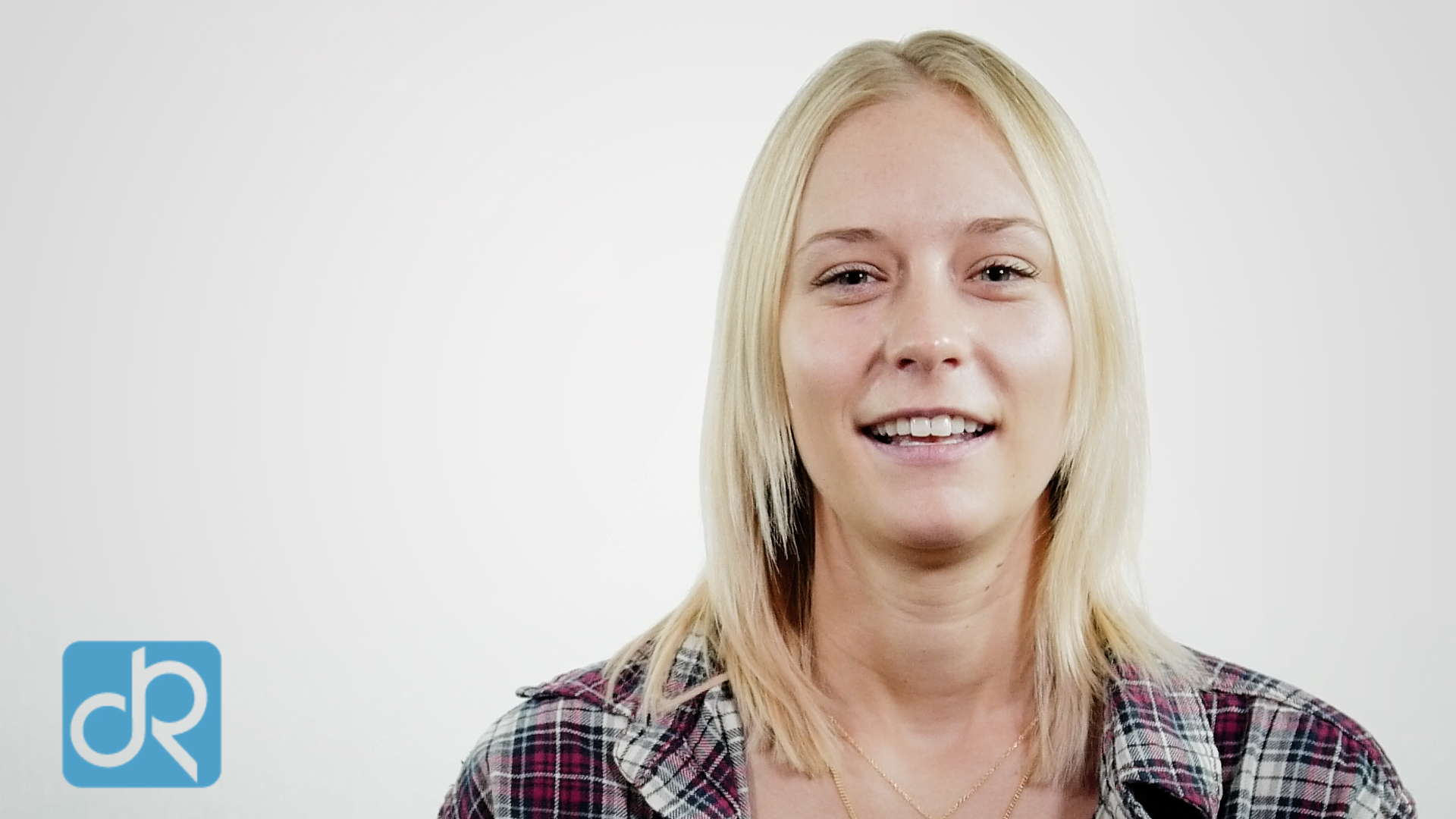
This is a heroin addiction recovery story that could have ended in death. Ali’s life became a true story of heroin addiction long before anyone around her realized how bad it was. What started as “popping a few pills” turned into daily use of heavier drugs, blackouts from alcohol (getting drunk), and finally waking up sick without heroin in her system. In the United States, tens of thousands of people die every year from opioid overdoses. Behind every number is someone like Ali—a daughter, a friend—who never thought “dope” would take over her entire life.
A True Story of Heroin Addiction: From Pills to Dope
Ali didn’t wake up one day and decide to be a heroin addict. It started slowly with pills / popping pills daily (unspecified prescription pills). She used them to take the edge off, to feel relaxed, to have fun. At first it seemed harmless—just a few pills here and there, mixed with nights of alcohol (getting drunk).
Then “here and there” became “every day.” She started needing pills just to feel normal. When the pills ran out or got too expensive, someone introduced her to heroin. It was cheaper, stronger, and always available. That first shot or hit felt like the answer to all her problems. Soon she wasn’t taking it to get high; she was taking it so she wouldn’t be sick and shaking.
Her story shows how fast pills and “heavier drugs” can open the door to heroin, and how quickly heroin slams that door behind you.

Running From Herself: Wisconsin to Tennessee
Ali tried to outrun her addiction by changing locations. She left Wisconsin, where her family lived, and moved to Tennessee to “start over.” But addiction doesn’t care about state lines. It followed her across the country.
In Tennessee, she kept using pills, heroin, and alcohol. The loneliness made it worse. She got more depressed, more anxious, and more desperate. Instead of getting better, she sank deeper. She began having suicidal thoughts and felt like there was no way out.
When she finally moved back to Wisconsin, things were even darker. Her parents could see she was in trouble. Sometimes the cops showed up at their house. They watched their daughter fade away under the weight of heroin and other drugs, and they were terrified she wouldn’t survive.

The Intervention and 30 Days That Changed Everything
Ali’s turning point came when her family stepped in. It wasn’t a TV-style surprise intervention, but it was just as serious. Her parents arranged for her to go to a rehab facility / treatment facility (inpatient)—a rehab / treatment facility (unnamed, “middle of nowhere”) far from her usual people, places, and dealers.
She agreed to go, even though part of her still wanted to use. That decision saved her life.
In that 30 days of residential treatment (30-day program), she went through withdrawal, group therapy, and one-on-one sessions. She heard other people tell stories that sounded just like hers: pills, heroin, alcohol, lies, shame, and fear. For the first time, she realized she wasn’t alone. And for the first time, she started to believe she might have a chance at recovery.
The rehab also introduced her to the idea of a higher power / spiritual approach to recovery—something bigger than herself that could help her stay clean when her own willpower wasn’t enough.

Sober Living, Sisterhood, and a Higher Power
After rehab, Ali didn’t just go straight back to her old life. She moved into a sober living facility / sober living house—a sober living facility (unnamed, where she lived with women from rehab). This was a crucial step.
In sober living, she had rules and structure, but she also had something she’d been missing: peer support and fellowship with other women in recovery. These women knew exactly what heroin withdrawal felt like. They knew what it was like to wake up craving dope or pills. They knew how scary it was to imagine a life without drugs.
Together, they went to meetings, shared meals, and talked honestly about their struggles. When Ali wanted to give up, someone was there to remind her why she started. She began to lean more on her higher power / spiritual approach to recovery, praying or talking to that power when she felt weak or afraid. Little by little, she learned how to live one day at a time without heroin, pills, or alcohol.
Watch Ali’s Nightmare With Heroin: From Pills & Dope to Recovery
This written summary only tells part of Ali’s heroin addiction recovery story. Hearing her speak brings a different kind of power and honesty.
In the video, Ali shares what it felt like to be trapped in daily heroin use, how close she came to losing everything, and how a simple “yes” to treatment opened the door to a new life.
The Moral of Ali’s Story: You Don’t Have to Hit a “Perfect” Bottom
Ali’s true story of heroin addiction reminds us that addiction doesn’t always look like the movies. It can start with everyday pills, weekend drinking, and “heavier drugs” that seem normal in your friend group. It can follow you from state to state, from Wisconsin to Tennessee and back again.
But her story also sends a clear message of hope: you don’t have to die to be done. A family-initiated intervention (parents arranging rehab), a treatment facility, and sober living gave her the space and support she needed to get clean. Peer support and fellowship with other women in recovery and a higher power / spiritual approach to recovery help her stay that way, one day at a time.
If you or someone you love is quietly popping pills, using heroin, or getting drunk just to feel okay, Ali’s message is simple: ask for help now. You don’t have to wait for another overdose, another arrest, or another broken promise. Recovery is possible—and your own nightmare with heroin doesn’t have to be how your story ends.


