





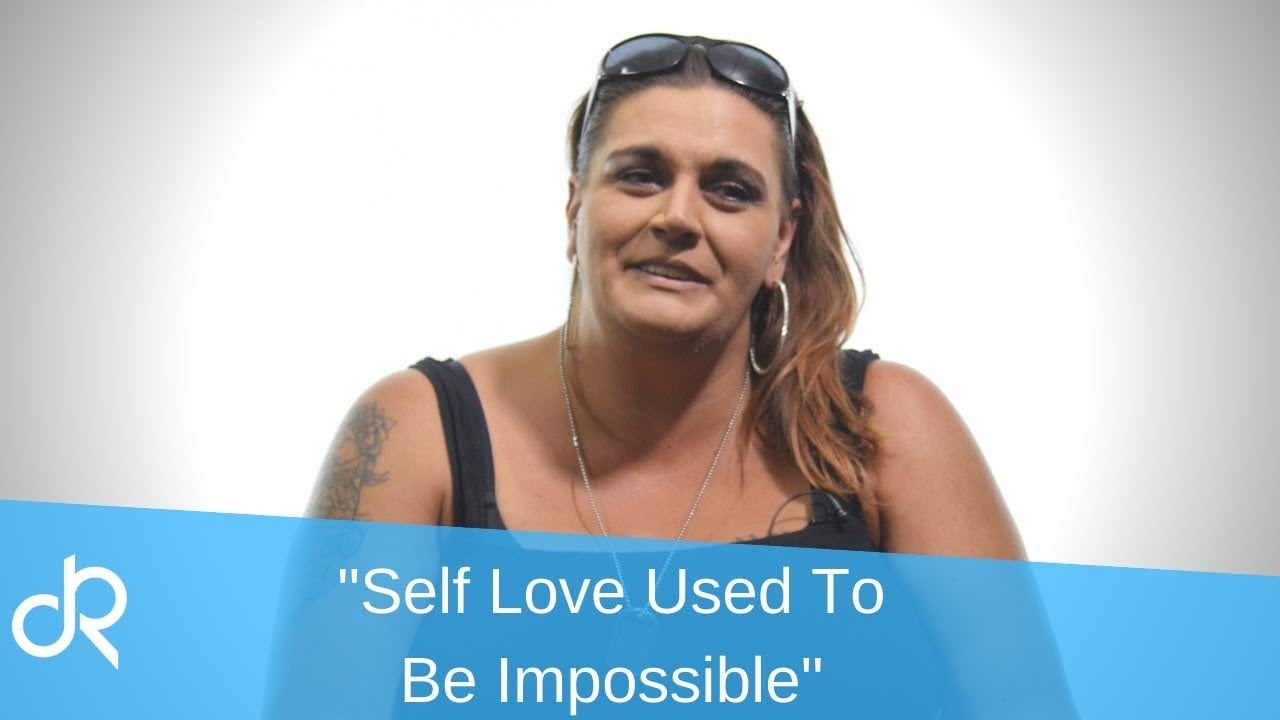
Some stories are hard to hear—and exactly the ones that save lives. This is a self-love addiction recovery story from Phoenix, Arizona, where trauma and domestic violence led to pain pills, benzodiazepines, cocaine, and heroin. It’s also a roadmap for 12-step recovery after domestic violence. The danger is real: the U.S. has seen over 100,000 overdose deaths in recent years, and many survivors of abuse use substances to cope. But there is a way back—one safe step at a time.
Self-Love Addiction Recovery Story: From Pills to Heroin in Phoenix
She didn’t plan to lose herself. Early alcohol use blurred into prescriptions—Percocet/oxycodone and Vicodin/hydrocodone—meant for real pain. Anxiety followed. Xanax quieted the fear. Party nights added cocaine. When life turned violent, heroin showed up and promised numbness. It delivered chaos. Days vanished around 35th Ave & Northern and Cortez Park in Phoenix. Home felt like a memory. Hope felt like a lie.
The body finally broke. A severe infection became sepsis. Surgeons drained an abscess. There were monitors, IV lines, and hard truths in the ICU at Chandler Regional Hospital. A brush with death didn’t cure addiction, but it opened a door: accept help, tell the truth, and let other people hold the line while strength returned.
12-Step Recovery After Domestic Violence: 120 Days That Changed Everything
Real change started with structure. A court-linked outreach placed her in 120 days of residential treatment. Safe sleep, regular meals, and honest groups replaced the chaos. Staff taught relapse-prevention basics: cravings come in waves; call before you use; move your body; keep your blood sugar steady. Simple. Powerful.
She entered a 12-step community and got a sponsor. The Big Book became a set of instructions, not a decoration. She worked steps, made amends where it was safe, and said yes to service. Later, she took on sponsees, which kept her accountable when old feelings tried to pull her back. Therapy sessions focused on trauma—how to spot red flags, set boundaries, and build self-respect without apology.
Care, Community & Safety: What Actually Worked
Recovery held because she stacked supports and kept them active:
- Medical care: ER and ICU stabilization for sepsis/abscess; follow-up wound care; clear medication plans that avoided high-risk drugs when possible.
- Residential → Sober Living: After 120 days, sober living added curfews, chores, and daily accountability—the guardrails early recovery needs.
- Outpatient & Counseling: Regular therapy to process childhood abuse and partner violence; skills for triggers, sleep, and anxiety.
- 12-Step Routine: Sponsor calls, meetings, written work, and service—connection over isolation.
- Community & Safety: Staying near supportive people, cooperating with local agencies when needed (e.g., Scottsdale Police Department, Phoenix Police Department – Cactus Precinct), and using victim services to plan next steps.
- Purpose: Showing up for others—at meetings, in sober housing, and with family—turned recovery from survival to service.
Self-love didn’t arrive as a feeling. It arrived as a routine: tell the truth, ask for help, keep the promise you made this morning. Over time, the feeling caught up.
Watch the Story & Feature It on Your Page
Mentions for readers and searchers:
- Substance abuse: alcohol; Percocet/oxycodone; Vicodin/hydrocodone; Xanax (benzodiazepine); cocaine; heroin
- Treatment & supports: adolescent psych hospitalization/diagnoses; ER care (assault, self-harm); surgery + ICU for sepsis/abscess; 120-day residential treatment; sober living; 12-step (sponsor, steps, service, sponsees); ongoing counseling; probation/outreach
- Facilities/Agencies: Chandler Regional Hospital; Hospice of the Valley; Scottsdale Police Department; Phoenix Police Department (Cactus Precinct)
- Locations: Phoenix, Arizona (35th Ave & Northern; Cortez Park); Chandler, Arizona; Cook County, Illinois; Utah
What This Story Teaches—and Your Next Step
- Safety first. Medical care and a safe place to sleep come before everything else.
- Structure protects recovery. Residential care, sober living, and counseling calm the storm.
- Connection is medicine. Meetings, a sponsor, and service turn “try harder” into “do it together.”
- Trauma work matters. Healing the nervous system lowers the urge to numb out.
- Self-love is practice. Keep simple promises daily. The feeling grows as you do.
If you or someone you love is living this story, we’ll help you verify insurance, match the right level of care, and connect you with local supports in Phoenix and beyond.
GET HELP NOW: (866) 578-7471 • DetoxToRehab.com
In an immediate crisis or danger, call 911. For emotional crisis or suicidal thoughts, dial 988 (U.S.).


