





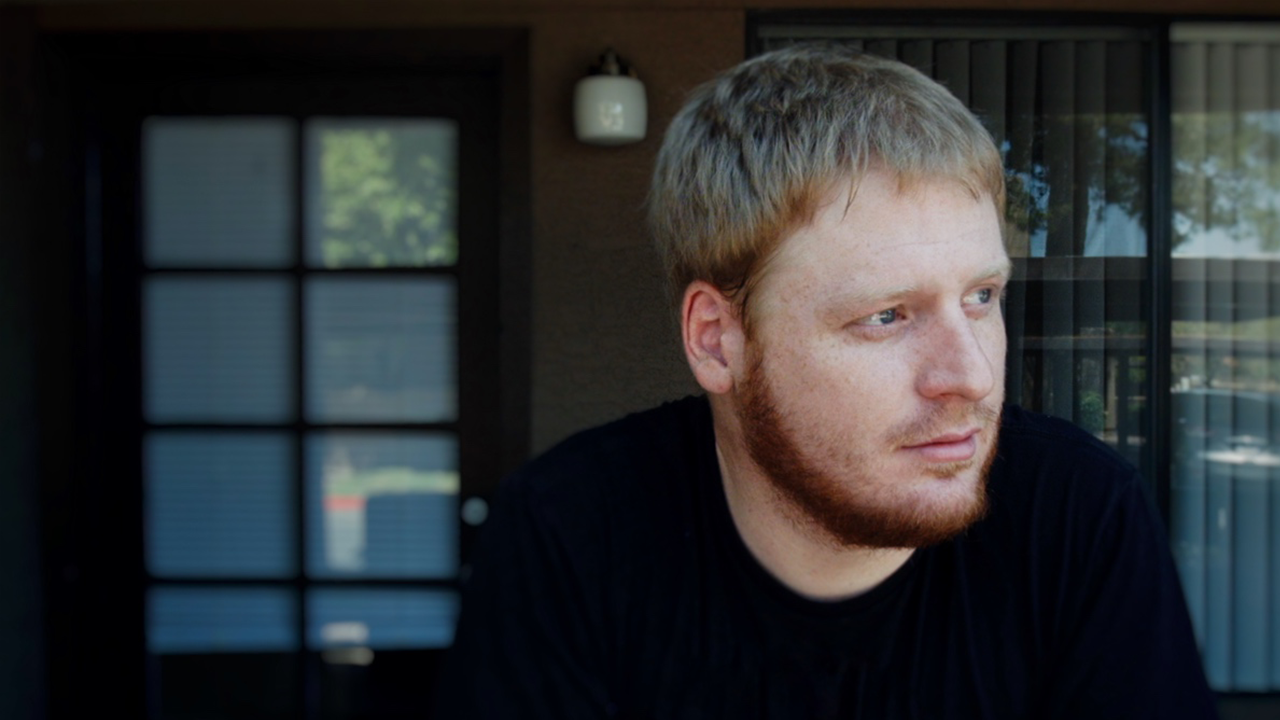
This addiction recovery success story is about what happens after the last rehab discharge. Adam once used marijuana, alcohol, cocaine, prescription pills, heroin, meth, and crack—the full mix of “drugs and alcohol.” Today, he’s more than two years clean and focused on staying sober after rehab, but he knows how close he came to being another statistic. In recent years, drug overdoses have claimed well over 100,000 lives annually in the United States, and a large share of those deaths involve opioids. For young adults, overdose remains one of the leading causes of death. Adam’s story shows what it takes not just to get sober, but to stay sober and build a new life in Arizona.
An Addiction Recovery Success Story: From Drugs and Alcohol to a New Life
Before this addiction recovery success story ever existed, Adam’s life was ruled by substances. He used marijuana to relax, alcohol to party, cocaine and prescription pills to escape, and eventually heroin, meth, and crack to numb everything. “Drugs and alcohol” weren’t just part of his weekends—they were part of his identity.
Over a period of about three years, he cycled through five different treatment centers. Each treatment center or rehab stay gave him a short window of hope, but as soon as he drifted away from recovery support, he fell back into old habits. That pattern is all too common: detox, feel better, stop doing the work, relapse.
What makes Adam’s story different now is not that he found a “perfect” rehab. It’s that he finally accepted that recovery would have to be the foundation of his life—not something he squeezed in around using.
Staying Sober After Rehab: What Adam Does Differently Now
The heart of Adam’s story is staying sober after rehab. When he left the last rehab he attended, he didn’t just walk away and hope for the best. He plugged into an alumni program / working with alumni, stayed in touch with people from treatment centers, and made a clear decision: this time, he would stay connected.
Today, Adam:
- Goes to 12-step style meetings three to four times per week.
- Keeps calling his sponsor and working his steps, instead of trying to do it alone.
- Stays living with other guys in recovery, so he’s surrounded by people who understand the disease.
- Focuses on being of service, especially through Hospitals and Institutions (H&I) service work, where he visits H&I facilities to share his story.
Instead of basing his life around getting and using drugs, he’s basing his life around recovery. Meetings, service, sponsor calls, and step work are not side activities—they are the center of his daily routine. Everything else, including work and hobbies, fits around that.
Faith, Prayer, and Meditation in Long-Term Recovery
Another piece of Adam’s success is his faith / spiritual program. He has come to see addiction as a mental illness that needs ongoing care, not a one-time problem that disappears after rehab. To keep that mindset strong, he leans heavily on prayer and meditation.
Every night, he thanks God for another day clean. Every morning, he asks for strength to stay sober just for that day. These might sound like simple habits, but they help him remember he’s not doing this alone.
He also uses meditation to calm his mind and handle stress without reaching for drugs and alcohol. Instead of numbing his feelings with heroin, meth, crack, or alcohol, he sits with them, breathes, and reaches out to others in recovery when he needs help.
Adam knows that if he stops praying, stops meditating, and stops going to meetings, his disease will try to pull him back. So he keeps these tools front and center, every single day.
Life After Rehab in Arizona: Hiking, Service, and Real Freedom
One of the best parts of Adam’s addiction recovery success story is what his life looks like today in Arizona. Sobriety hasn’t made his life smaller; it’s made it bigger. Instead of spending his time chasing drugs, he’s exploring the state he lives in.
Adam talks about hiking and adventuring at:
- Arizona Hot Springs
- Fossil Creek (Arizona)
- Havasupai Falls in the Grand Canyon (Arizona)
- Flagstaff (Arizona)
These are places he never would have enjoyed when he was sick and chasing a high. Now, he gets to experience them fully awake, fully present, and surrounded by people he trusts.
He also works in treatment, staying involved with treatment centers (unnamed) and rehab programs. Carrying the message to people who are newly sober helps him remember where he came from. When he sits in Hospitals and Institutions (H&I) and shares his story, he sees himself in the eyes of the people listening. That keeps him humble and grateful.
Watch Adam’s Recovery Update Video
This written story is powerful, but hearing Adam tell it in his own words brings a different kind of impact.
In the video, Adam talks about being 26 months clean, how marijuana, alcohol, cocaine, prescription pills, heroin, meth, and crack once ruled his life, and what he actually does each day to stay sober. He shares honestly about the hard days and the amazing moments he never thought he’d experience—like backpacking to Havasupai Falls or hiking near Flagstaff with a clear mind.
The Moral of Adam’s Story: Recovery Is Ongoing
Adam’s journey reminds us that rehab is a beginning, not an end. Staying sober after rehab means accepting that recovery has to be a daily practice. Meetings, sponsors, steps, service, prayer, meditation, and community are not optional extras—they are lifelines.
If you or someone you love is cycling through treatment centers, relapsing, and losing hope, Adam’s story is proof that it’s never too late to try again with a new approach. You don’t have to be perfect. You just have to be willing to stay connected, ask for help, and take it one day at a time.
This addiction recovery success story doesn’t promise an easy road—but it does promise that real freedom is possible, even after heroin, meth, crack, and years of chaos. Adam’s life today is living proof that recovery is worth fighting for.


