





If you’re wondering about the difference between crack and cocaine, here’s the short answer: they’re two forms of the same drug, but they’re used differently and hit the brain at different speeds. That speed matters. In the U.S., drug overdoses now exceed 100,000 deaths a year, and stimulant-involved deaths (including cocaine) have climbed sharply, especially when fentanyl is present. This crack vs cocaine guide breaks down forms, effects, risks, and how to get help—fast.
The Difference Between Crack and Cocaine (At a Glance)
Use this quick comparison box anywhere on your page. You can turn it into a table, graphic, or card grid.
What’s it look like?
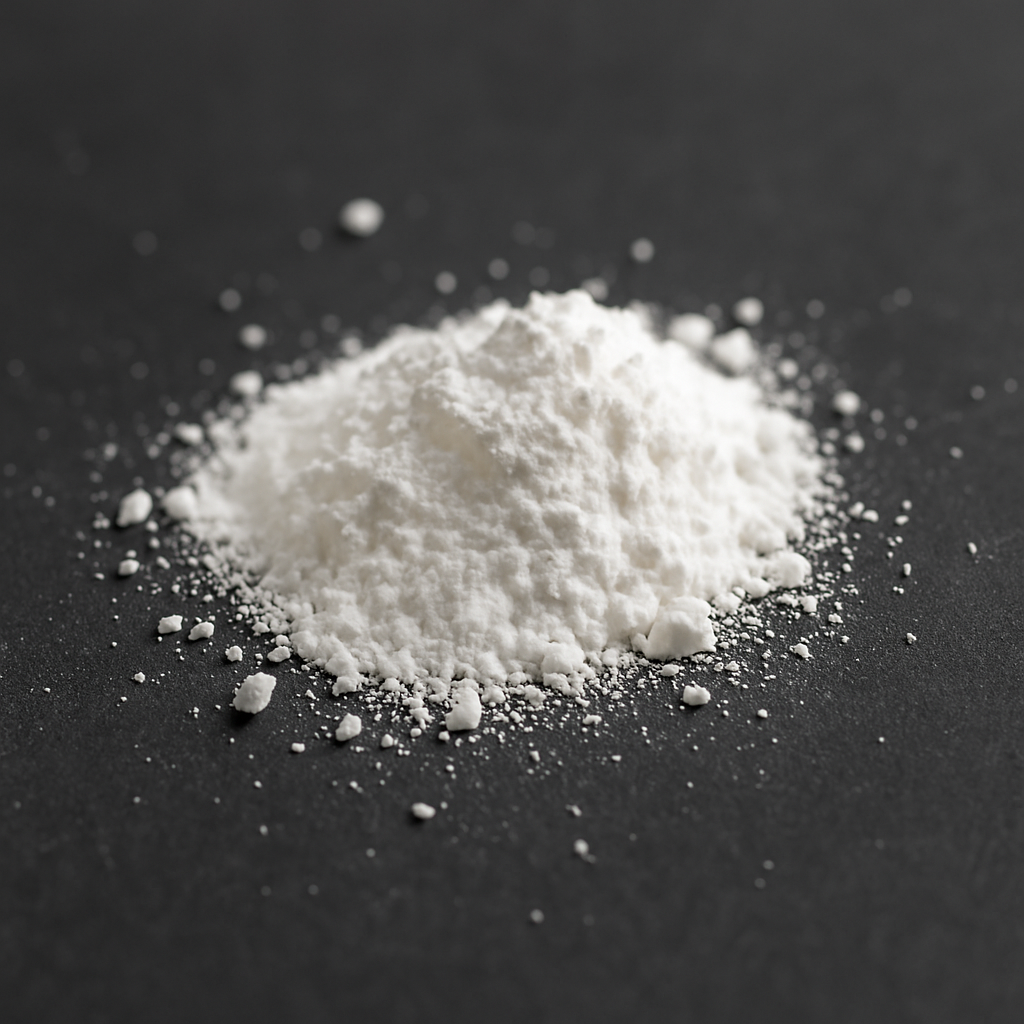
Cocaine (powder): Cocaine hydrochloride (salt).
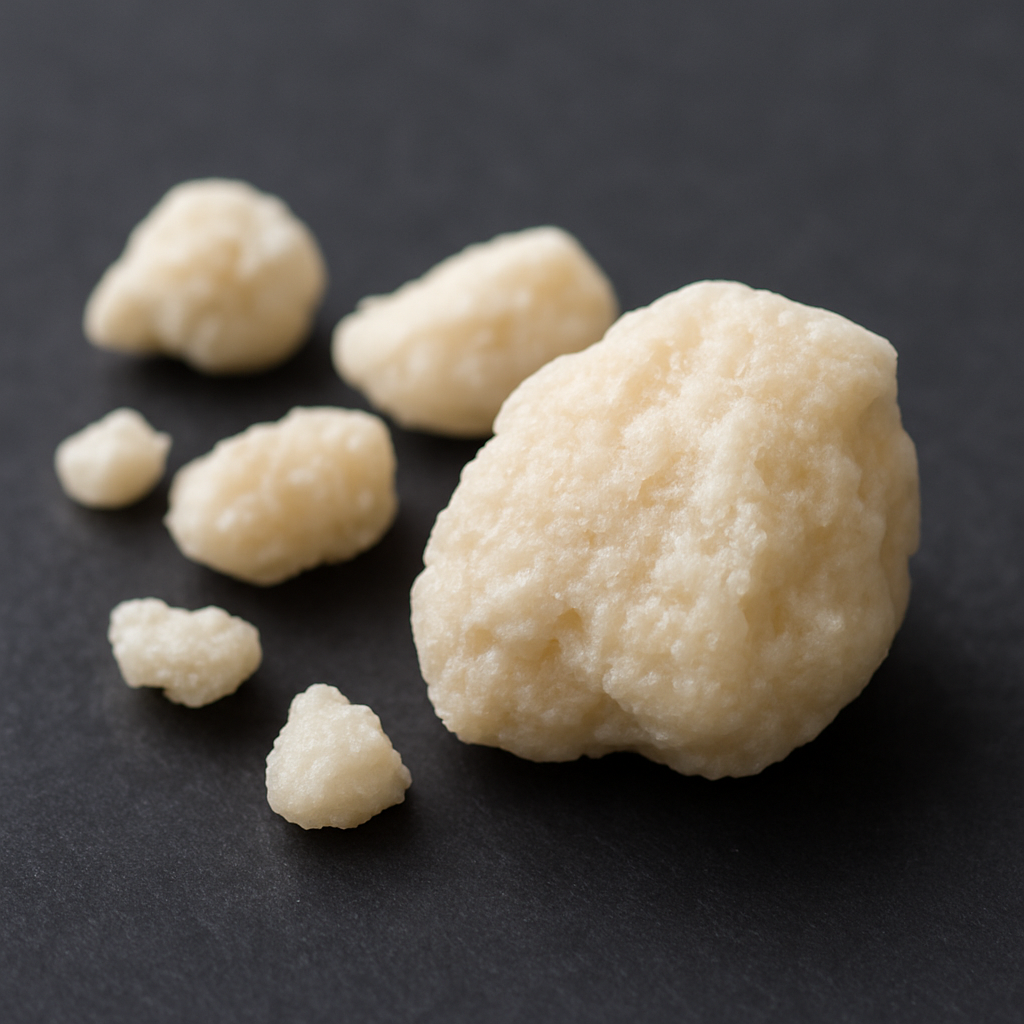
Crack (rocks): “Freebase” cocaine made by processing powder with baking soda; smokable.
How It’s Used?
- Cocaine: Usually snorted; sometimes injected or rubbed on gums.
- Crack: Smoked in a pipe; vapor is inhaled.
Speed & Duration
- Cocaine (snorted): Slower onset (minutes), effects last ~15–30 minutes.
- Crack (smoked): Very fast onset (seconds), intense “rush,” shorter high ~5–10 minutes.
How long does crack cocaine stay in your system?
- Crack: Detectable in urine for ~1–3 days (up to a week with heavy use) and in hair for ~90 days.
- Cocaine (powder): Same window—urine ~1–3 days (up to a week if heavy) and hair up to ~90 days.
Addiction Potential
- Both are addictive; smoking crack’s rapid spike can drive more frequent use.
- Both raise heart rate and blood pressure; risk spikes with mixing (alcohol, opioids) or fentanyl contamination.
How Each Affects the Body and Brain
Why speed matters. The quicker a drug reaches the brain, the stronger the reinforcement. Smoking crack delivers cocaine to the brain in seconds, creating a short, intense rush that can lead to rapid re-dosing. Snorted powder cocaine comes on more slowly, but users may take repeated lines to extend the effect.
What both forms do. Cocaine floods the brain’s reward pathway with dopamine and tightens blood vessels (vasoconstriction). Short term, users may feel energized, alert, and confident. Under the surface, heart rate and blood pressure climb, body temperature rises, and the heart works harder.
Health risks you should know
- Cardiac and stroke risk: Chest pain, arrhythmias, heart attack, and stroke can occur—even in young, healthy people.
- Breathing problems: Smoking crack can irritate airways and lungs.
- Neurologic effects: Anxiety, panic, agitation, tremor, seizures in high doses.
- Mental health: Paranoia, hallucinations, and depressed mood during comedowns.
- Crash (hours–days): Exhaustion, low mood, increased sleep, strong cravings.
- Withdrawal (days–weeks): Irritability, anxiety, sleep disturbance, anhedonia (reduced ability to feel pleasure). There’s no life-threatening alcohol/benzo-style withdrawal, but mood symptoms and cravings can be intense and trigger relapse.
Risks, Overdose, and Fentanyl Contamination
Overdose signs can include chest pain, severe headache, agitation, very high blood pressure, high temperature, confusion, or seizures. Because the rush from crack is brief, people often take back-to-back hits, stacking risk. With powder, repeated lines can quietly push dose and strain higher than intended.
Fentanyl in the supply. A growing share of cocaine-related deaths now involves synthetic opioids, especially fentanyl. Users may not intend to use opioids at all. This is one reason cocaine deaths have climbed in recent years.
Dangerous mixes
- Cocaine + alcohol: The body forms cocaethylene, which is more toxic to the heart and liver and lasts longer.
- Cocaine + opioids (speedballing): Opposite effects don’t “cancel out”—they increase strain and overdose risk.
- Cocaine + benzodiazepines: May mask warning signs while leaving heart strain and overheating unaddressed.
Harm-reduction basics
- Never use alone; know local overdose response resources.
- Consider fentanyl test strips and carry naloxone—many cocaine-involved deaths now include fentanyl.
- Seek medical care for chest pain, severe headache, high fever, or seizures.
Signs, Help, and Treatment Options
Common signs of problematic use
- Binge patterns (hours of use), missing work or school, money/legal issues
- Nosebleeds or sinus problems (powder); cough or chest tightness (crack)
- Mood swings, anxiety, paranoia, or long “crashes” after use
Evidence-based treatments
- Contingency Management (CM): Tangible rewards for drug-free tests—strong evidence, especially for stimulants.
- CBT for SUD: Identify triggers, change thought patterns, build coping skills and relapse-prevention plans.
- CRA (Community Reinforcement Approach): Rebuild a rewarding, drug-free lifestyle (relationships, work, hobbies).
- MBRP (Mindfulness-Based Relapse Prevention): Skills to “surf” urges and stress without using.
- Co-occurring care: Treat depression, anxiety, PTSD, or ADHD alongside stimulant use—outcomes improve when both are addressed.
- Medications: No FDA-approved medication specifically treats cocaine use disorder yet, but targeted meds (for sleep, anxiety, depression, ADHD) can support recovery.
Levels of care
- Outpatient/IOP: Therapy several days per week while living at home.
- PHP/Day Treatment: 5–6 hours/day of structured care.
- Residential: 24/7 support when safety or stability is a concern.
- Peer & family support: Support groups, family education, and recovery coaching improve outcomes.
Call to action
If cocaine (powder or crack) is creating problems for you or someone you love, help works. Verify insurance, compare programs, and consider a blended plan (CM + CBT + co-occurring care). If it’s an emergency—chest pain, seizure, unresponsiveness—call 911 immediately.


