




When you grow up in chaos, healing from drug addicted parents neglect can feel out of reach. For Jeff, growing up with drug addicted parents meant learning about Alcohol (drinking, drunk), Weed / marijuana, Coke / cocaine, and Meth / dope (slamming meth, tweaker) long before he learned what safety or love looked like. Instead of bedtime stories, there were fights, bottles, pipes and fear. In the United States, millions of children live with at least one parent who has a substance use disorder, and kids in these homes are much more likely to struggle with addiction or mental health issues later in life. That sounds dark—but Jeff’s story shows that with support, honesty and a little willingness, even a life shaped by neglect can turn into a story of hope.
Growing Up with Drug Addicted Parents: Chaos Instead of Childhood
Jeff’s early life moved from Chicago, Illinois to Virginia, Florida, and Southern Illinois, but the chaos followed every move. Both parents used. He saw Alcohol (drinking, drunk) on the table, Weed / marijuana in ashtrays, and lines of Coke / cocaine on counters. There were people slamming meth in back rooms, talking about Meth / dope like it was no big deal. Pills like Percocets (opioid painkillers) were passed around, and people joked about “drugs” and “dope” as if it were normal daily life.
Sometimes adults drank Hooch (homemade alcohol in prison) and White lightning (moonshine), laughing it off. Later, psych meds (psychiatric medications) showed up—sometimes taken as prescribed, sometimes mixed with other substances.
Instead of a safe home, Jeff was in and out of Group homes, Residential treatment centers / treatment centers, and Psych wards. He went through 30-day psychiatric evaluations (“30 day vows”) and spent time in an SMI clinic (Seriously Mentally Ill clinic) and vocational rehab programs. As a kid, all these labels just meant one thing: he felt alone, scared and “different.”
Yet even in those early years, something important was forming—a deep understanding of pain that would later help him connect with others in recovery.

Healing From Drug Addicted Parents Neglect: Jeff’s Breaking Point
The hurt from healing from drug addicted parents neglect does not disappear on its own. Jeff carried that pain into his teen and adult years. Drugs and alcohol became his way to numb the hurt. He lived the life he had seen modeled for him—using, running, and trying to stay one step ahead of consequences.
He spent time in jail, bounced through more Psych wards, and returned to SMI clinic care and vocational rehab over and over. Eventually he ended up in Waco, Texas, and then moved to Phoenix, Arizona, hoping a new city would fix old problems. It didn’t.
The real breaking point came when his own children were pulled into the system. CPS (Child Protective Services) stepped in. His kids were placed in child crisis centers and a Daycare center (where his kids went) instead of coming home to their dad. For Jeff, this was more than a legal issue—it was a spiritual and emotional wake-up call.
That crushing moment opened a door. Instead of giving up, he chose to reach out for help one more time. That small choice would change his life.

A New Start in Phoenix, Arizona: Recovery and Support
Jeff entered Community Bridges (detox / behavioral health facility) in Phoenix, Arizona, and from there went to a Halfway house in Mesa (unnamed) out in Mesa, Arizona (including East Mesa). Later he moved into a Three-quarter house in Phoenix (unnamed). These homes were not fancy, but they offered structure, support and something new—people who understood.
He learned about Sober living, Halfway house programs, and Three-quarter house support as stepping stones toward a better life, not punishment. He began attending 12-step meetings (AA/NA style) around Phoenix, Arizona, Mesa, Arizona, Tempe, Arizona (including Apache Boulevard in Tempe), Safford, Arizona, and Maricopa, Arizona.
At first he just listened. Over time he found a Home group, got a Sponsorship / sponsor, and took on small Service commitments like making coffee or setting up chairs. He started going to Recovery conventions and roundups, meeting others who had grown up with addiction, neglect and trauma.
Slowly, his life shifted. The man who once lived on hooch, White lightning, pills and dope began to build a life around honesty, connection and service. He was still the same person—but now he was learning how to use his story to help others instead of hide from it.
Watch Jeff’s Story: A True Story of Addiction
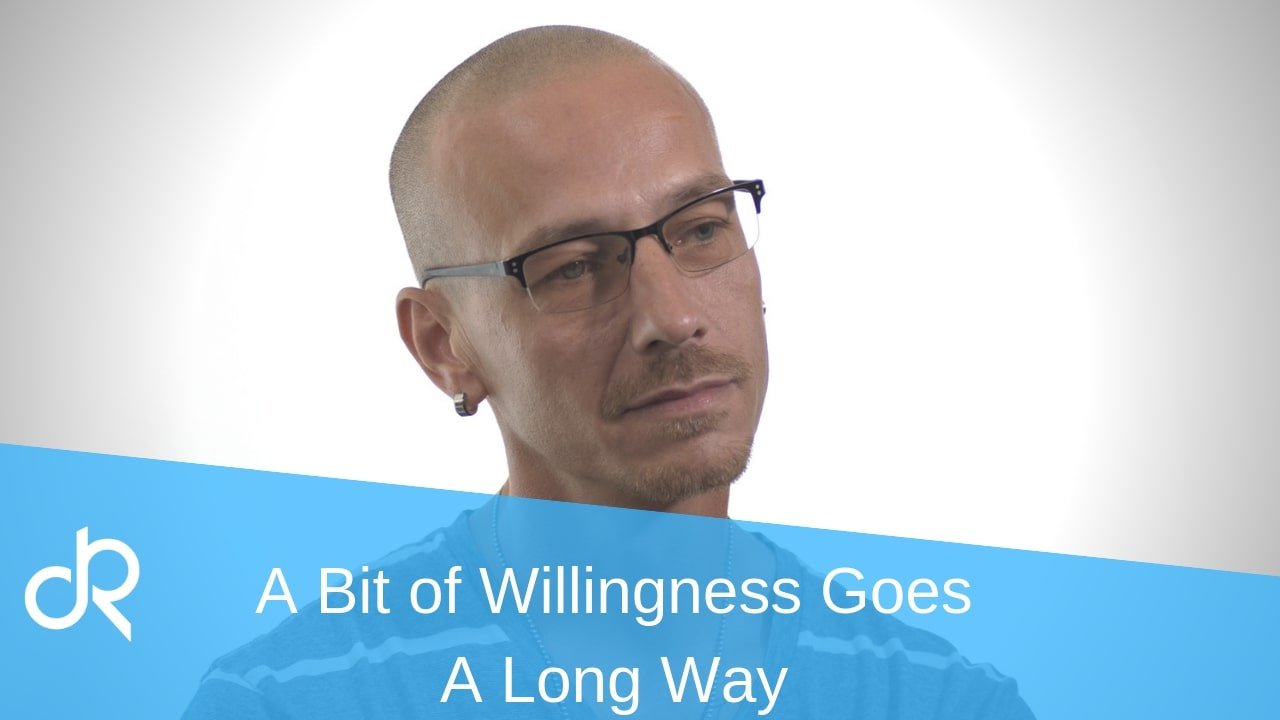
This story is powerful, but hearing Jeff in his own words makes it even more real.
In the video, Jeff talks openly about growing up with drug addicted parents, losing his kids, living in Halfway houses and Sober living, and finding hope through meetings and service. Sharing his story is part of his healing—and it gives courage to people who see themselves in his journey.

You Can Break the Cycle Too
Jeff’s experience shows that the cycle of addiction and neglect can be broken. Healing from drug addicted parents neglect is not quick or easy, but it is possible. Support can come from many places: Residential treatment centers, Group homes, Psych wards when needed, SMI clinic services, vocational rehab, Sober living, Halfway house and Three-quarter house programs, 12-step meetings, Home groups, Sponsorship, Service commitments, and Recovery conventions and roundups.
If you or someone you love is growing up with drug addicted parents or already struggling with addiction, you are not broken beyond repair—and you are not alone. DetoxToRehab shares True Stories of Addiction like Jeff’s to shine a light in dark places and to remind you that help is real and recovery is worth it.
You don’t have to wait for things to get worse. A small bit of willingness—like the moment Jeff asked for help—can be the first step toward a new life, a healthier family, and a future filled with hope instead of fear.



