




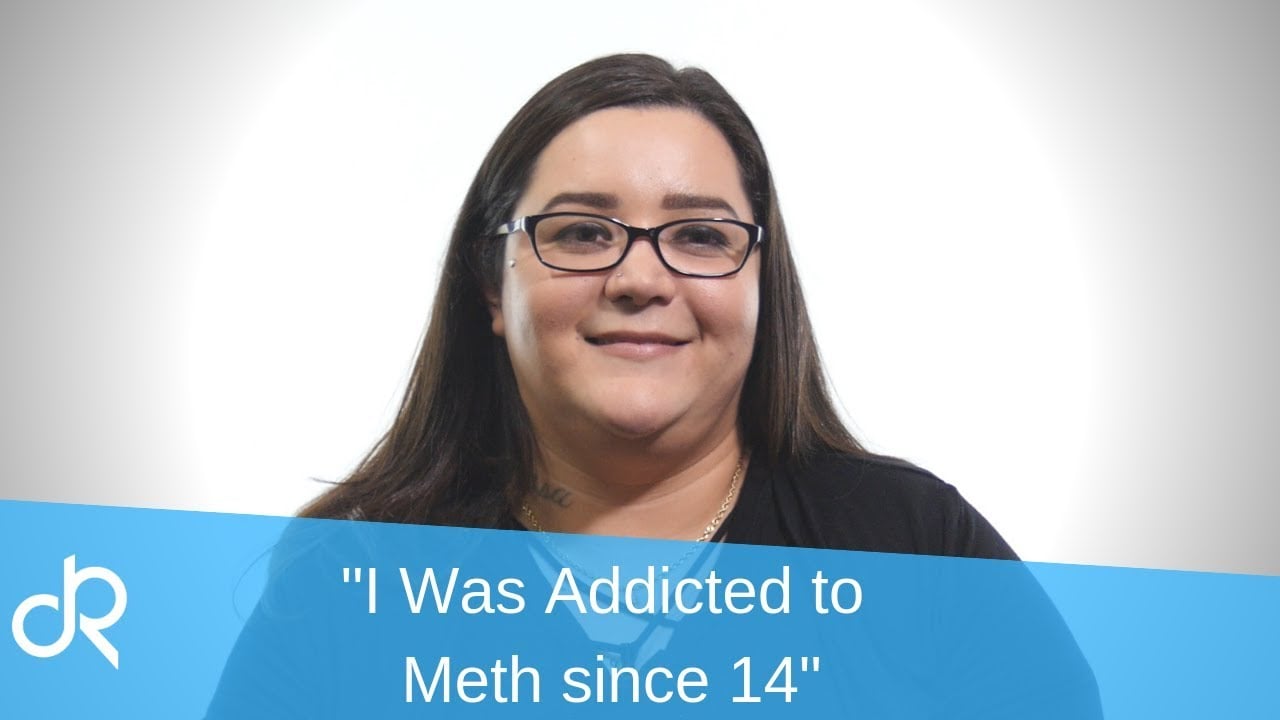
Some stories start too early. This one begins at fourteen in Superior, Arizona and nearly ends in a jail cell. It’s a real meth addiction recovery story about how consequences alone didn’t fix anything—connection and structure did. You’ll also see how residential treatment for meth addiction plus sober housing, outpatient care, and 12-step support can turn chaos into a life with purpose. The stakes are high: the U.S. has recorded over 100,000 overdose deaths per year in recent years, and stimulant (meth) deaths have risen sharply. This is one path back.
Meth Addiction Recovery Story: How It Started at 14
She was a kid who wanted to fit in. A friend offered methamphetamine; it felt exciting, then necessary. By high school she was smoking daily, skipping class, and lying to people who loved her. Later, the line moved again—shooting up meth for a faster, stronger hit. There were other slips: alcohol and a DUI that she swore would be the last wake-up call. It wasn’t.
The justice system arrived early. Time in the Arizona Department of Juvenile Corrections and check-ins with a chaplain gave her breaks from using, but not a way to live. When she hit adulthood, the pattern followed her to Phoenix and Mesa: short jobs, broken promises, court dates, and more meth. She was scared, ashamed, and stuck.
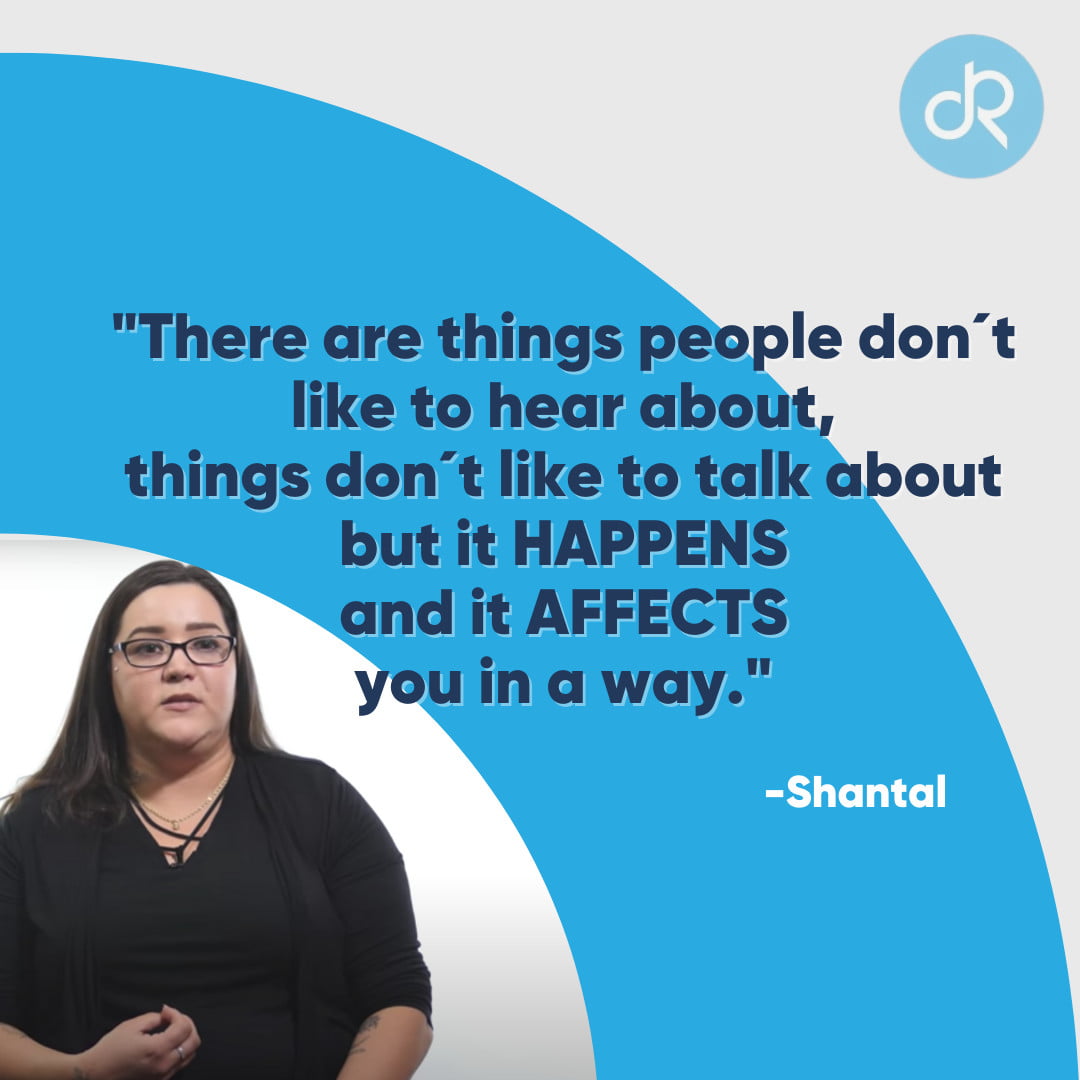
When Consequences Weren’t Enough
Arrests and probation stacked up. She self-surrendered to court, cycled through the Florence jail, and was sent for a hospital evaluation while in custody. She told herself she’d quit “for good” after release. But without a plan, old neighborhoods pulled hard. Relapses got faster and darker. Sleep came only with handfuls of melatonin that left her foggy the next day.
Family tried to help, and she tried to keep them at arm’s length. Lies piled up: “I’m fine,” “It’s not that bad,” “I can quit anytime.” Each promise hurt trust a little more. Deep down, she knew the truth: consequences had never kept her sober. She needed structure, people, and daily action—something bigger than willpower.
Residential Treatment for Meth Addiction: What Finally Worked
Her turning point was simple and hard: asking for help and taking the bed offered. First stop was a women’s TLC halfway house—chores, curfews, rent, and meetings. The rules were not punishment; they were safety rails. From there she said yes to a 60-day inpatient residential program. For the first time in years, she had a room, a routine, and trained staff who understood meth withdrawal’s crash: low mood, fatigue, cravings that come in waves. Counselors taught relapse-prevention skills and walked her through early steps.
After discharge, she stepped down to three months of outpatient. Therapy sessions, drug testing, and groups kept her honest. She also returned to 12-step meetings with a sponsor. The work was practical:
- Phone before, not after. Call the sponsor when the urge hits.
- Meetings most days. Sit in the middle, not the back; share even when it’s messy.
- Steps and amends. Write it down, tell the truth, and repair what you can.
- Service. Make coffee, set up chairs, give rides; help gets you out of yourself.
She kept the circle small and safe—sober peers, family who respected boundaries, and staff who told her when she was drifting. Little wins stacked up: on-time rent at TLC, a clean UA, a new job she actually showed up for. Sleep returned. Food tasted like food again. Hope felt less like a slogan and more like a plan she could do today.
Watch the Story & Take Your Next Step
**If you’re in Arizona—**from Superior to Mesa, Phoenix, or Florence—you’re not far from support. The same stack that worked for her can work for you: halfway housing → inpatient care → outpatient follow-up → 12-step community and service.
What this story teaches
- Consequences aren’t treatment. Jail interrupts; it rarely rebuilds.
- Structure protects early recovery. Halfway houses, curfews, and schedules make day one repeatable.
- Residential + outpatient + community = traction. Stacking care lowers relapse risk.
- Honesty repairs trust. Consistent actions—not speeches—bring family back.
- You don’t have to do this alone. Sponsors, peers, and clinicians walk the path with you.
Story mentions for readers and searchers:
- Substances: methamphetamine (smoked, later IV); alcohol (DUI); heavy melatonin early in sobriety
- Care & supports: hospital evaluation while in custody; probation/court self-surrender; TLC women’s halfway house; 60-day inpatient residential; 3-month outpatient; 12-step meetings with sponsor/steps/service; peer/family support
- Facilities/Programs: TLC; Florence jail; Arizona Department of Juvenile Corrections; chaplain’s office (in prison); unspecified hospital (Mesa area)
- Locations: Superior, AZ; Mesa, AZ; Phoenix, AZ; Florence, AZ
If this sounds like your life—or someone you love—there’s a plan that works. We’ll help you verify insurance, find residential treatment for meth addiction, and connect you to halfway housing, outpatient, and 12-step support near you.
GET HELP NOW: (866) 578-7471 • DetoxToRehab.com
In an immediate crisis, call 988.


