





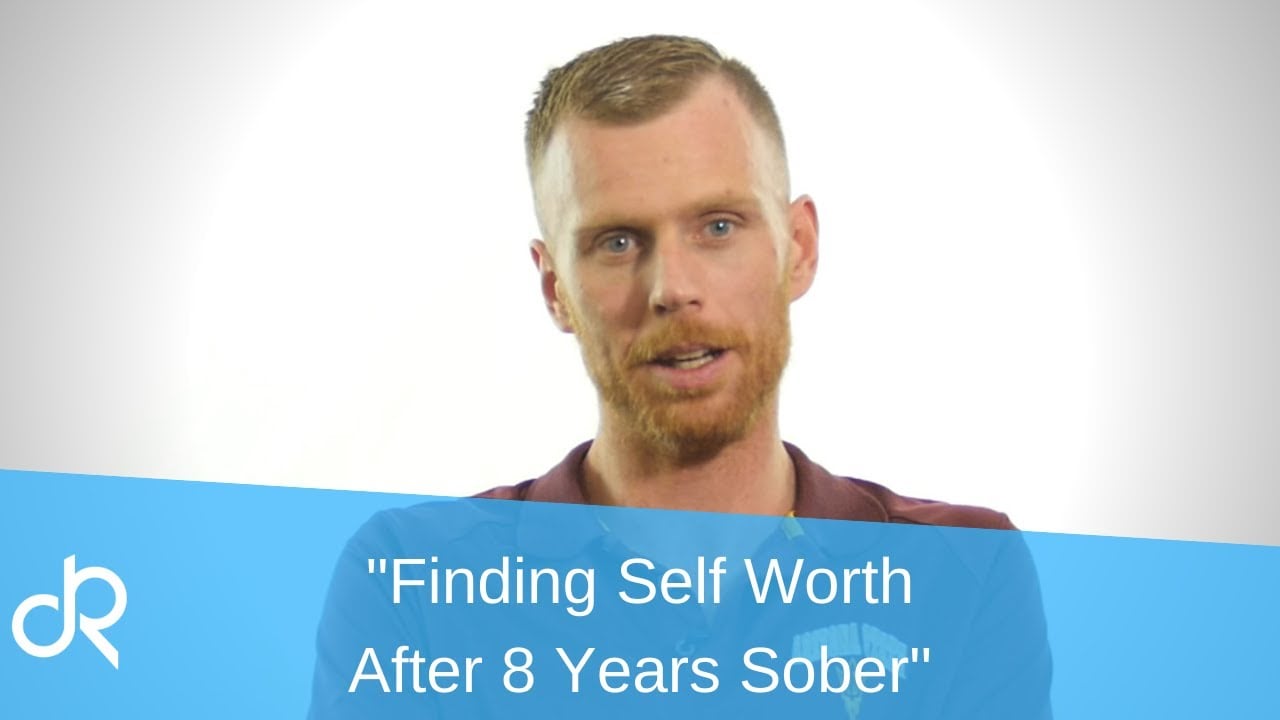
Staying sober didn’t fix everything. In this True Stories of Addiction feature, we meet someone eight years alcohol-free who still felt empty, angry, and stuck—proof that self-worth in recovery doesn’t come just from counting days. Real change required healing trauma in sobriety: facing childhood wounds, telling the truth about a violent relationship, and doing deeper therapeutic work alongside 12-step tools. The moral is simple and hard—sobriety is the start, not the finish.
Self-Worth in Recovery: Why “More Meetings” Wasn’t Enough
By year eight, the outside looked fine—no alcohol, no chaos—but inside was a different story: low self-esteem, racing thoughts, and waves of shame that meetings alone didn’t touch. Old survival patterns kept showing up: people-pleasing, perfectionism, and numbing with “acceptable” distractions like sex or gambling. The message is not anti-meeting; it’s honest. 12-step tools created the foundation, but the deeper pain—childhood neglect, abandonment, and adverse events—still needed care.
He began telling the truth in sponsor calls and inventories: the anger wasn’t random, the anxiety had roots, and the constant self-attack was learned long ago. Naming the wounds out loud was the doorway to next-level help.
When Sobriety Isn’t the Finish Line: Facing Trauma
A therapist (we’ll call her Molly) helped connect the dots between early experiences and adult reactions. Together they mapped triggers, body sensations, and the “stories” that drove panic or rage. He also admitted another truth many men hide: he was a domestic-violence survivor. The relationship he thought proved his worth was dangerous; leaving it safely was as hard and brave as putting down the drink.
Therapy goals were simple and focused:
- Build safety: sleep, meals, movement, and consistent sessions.
- Learn boundaries: what’s mine to carry, what’s not.
- Practice new skills: grounding, breathwork, statements of self-respect.
- Replace shame with compassion: talk to yourself the way you would a friend.
Sober doesn’t mean healed. But healing is possible, step by step.
EMDR, Therapy, and AA Tools—Together
They added EMDR (Eye Movement Desensitization and Reprocessing) to process traumatic memories that kept hijacking the present. EMDR didn’t erase the past; it reduced the charge, so a memory felt like a memory—not a live wire. He kept the basics from Alcoholics Anonymous: meetings, service, amends, prayer, and meditation. The blend mattered. EMDR and weekly therapy sessions calmed the body; AA kept him connected, honest, and useful.
Daily routine became the anchor:
- Morning: prayer/meditation and three sentences of gratitude.
- Midday: text a check-in to sponsor/sponsees.
- Evening: meeting or call, quick inventory, simple dinner, sleep hygiene.
The result wasn’t instant bliss. It was steadiness—a nervous system that didn’t sprint at every stressor, a mind that could pause before reacting, and relationships that felt safer because he was safer.
Leaving Abuse and Choosing a Bigger Life
Ending the violent relationship was a turning point. He worked with his therapist on a safety plan, reached out to trusted friends, and accepted help instead of trying to be the “strong one.” New boundaries felt strange at first—then freeing. He learned to say, “That’s not okay for me,” without apologizing. He practiced picking healthy partners, not projects. He also allowed himself to dream—North Carolina felt like a place to build a life with green space, community, and work that aligned with his values.
Service remained non-negotiable. Mentoring newcomers and sharing openly about trauma as a man reduced stigma and deepened his own recovery. The more he gave away, the more stable he felt.
What This Story Teaches—and Your Next Step
Eight years sober and still miserable isn’t failure; it’s feedback. If you recognize yourself here, consider these takeaways:
- Sobriety is the foundation, not the roof. When symptoms persist, add care: trauma-informed therapy, EMDR, or other evidence-based modalities.
- Community and clinical help work best together. Meetings build connection and accountability; therapy rewires reactions and beliefs.
- Leaving abuse is recovery. Ending violent dynamics is as life-saving as ending substance use. You deserve safety.
- Self-worth is a practice. Gratitude, boundaries, and service are daily reps that change how you see yourself.
- A bigger life is possible. You can choose new places, partners, and purpose—no permission required.
If this is your moment, we’re here to help you map options that fit your life and budget—from trauma-informed therapy and EMDR to outpatient groups and 12-step connections near you.
GET HELP NOW: (866) 578-7471 • DetoxToRehab.com
If you’re in immediate danger or crisis, call 988.


